
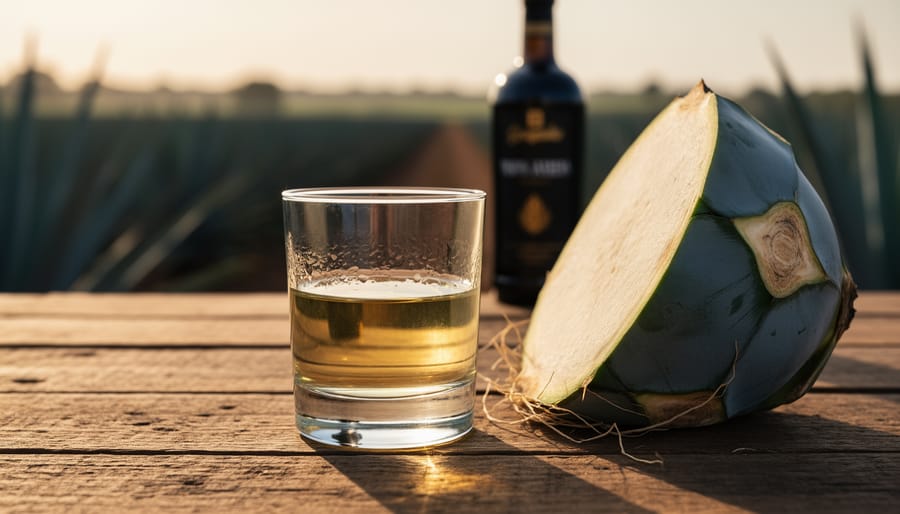
Tequila, distilled from the blue Weber agave plant in specific regions of Mexico, contains natural sugars called agavins that research suggests may offer surprising metabolic advantages not found in most other spirits. While no alcoholic beverage qualifies as health food, a growing body of scientific studies points to compounds in quality tequila that behave differently in the body compared to the refined sugars and additives found in many cocktails and mixed drinks.
For those who already enjoy an occasional evening pour, the question isn’t whether tequila transforms into a wellness tonic. It’s whether choosing 100% agave tequila over other options might offer marginal benefits when consumed responsibly and in moderation. The answer lies in understanding what makes this centuries-old spirit unique from a biochemical standpoint.
The agavins in pure tequila are non-digestible fibers that don’t spike blood sugar the way table sugar or high-fructose corn syrup do. Early research from Mexican scientists has explored their potential role in supporting gut health and metabolic function, though human studies remain limited. Beyond agavins, tequila contains small amounts of compounds found in the agave plant itself, including fructans and polyphenols that survive the distillation process.
This article examines the science behind tequila’s unique properties, separates credible research from marketing hype, and explains what to look for on the label if you’re interested in the cleanest expression of agave. We’ll explore how different production methods affect the final spirit, what moderation truly means in practical terms, and why the type of tequila you choose matters far more than most drinkers realize.
What Tequila Actually Is, Beyond the Shot Glass
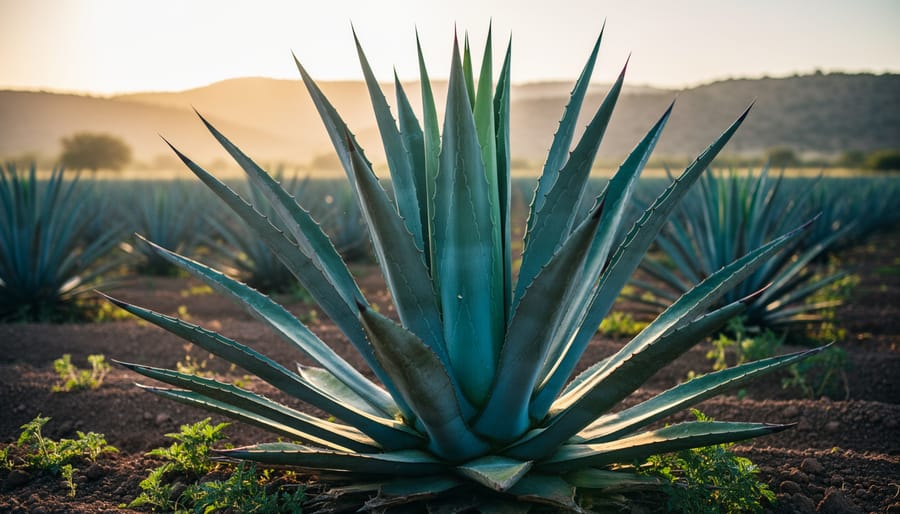
Tequila is a distilled spirit made from blue agave a succulent plant that thrives in the volcanic soils surrounding Jalisco, Mexico. Unlike vodka or rum, which can be produced from various base ingredients, authentic tequila must come specifically from the Weber blue agave and be produced in designated regions of Mexico, primarily around the town of Tequila itself.
The production process tells you everything about why this spirit differs from what you’ll find in other bottles. For centuries, jimadores, skilled agave farmers, have harvested the plant’s heart, called the piña, by hand. These piñas, which can weigh up to 200 pounds, are roasted to convert their complex carbohydrates into fermentable sugars. It’s this traditional roasting process, still used by many distilleries, that develops tequila’s distinctive earthy-sweet character and preserves the natural compounds that contribute to its unique properties.
- Blue Agave
- The Weber blue agave plant (Agave tequilana) native to Jalisco, which takes 7-10 years to mature before harvest. Its high concentration of natural sugars and beneficial compounds makes it ideal for tequila production.
- 100% Agave Tequila
- Tequila made entirely from blue agave sugars, with no added cane sugar or other fillers. This designation ensures you’re getting the full spectrum of agave’s natural properties.
- Blanco
- Unaged or minimally aged tequila, bottled immediately after distillation. It offers the purest expression of agave flavors and retains the highest concentration of beneficial agavins.
- Reposado
- Tequila aged 2-12 months in oak barrels, developing smooth vanilla and caramel notes. The aging mellows the spirit while preserving most of its natural compounds.
- Añejo
- Tequila aged 1-3 years in oak barrels, creating a rich, complex spirit with deep amber color. The extended aging produces a sipping tequila with refined character.
- Agavins
- Natural sugars found in the agave plant that behave differently than typical alcoholic sugars in your body. These compounds are central to many of tequila’s potential health benefits.
What separates tequila from other spirits isn’t just geography or tradition, it’s the agave plant itself. Those natural agave sugars, particularly the agavins, survive the fermentation and distillation process in ways that give 100% agave tequila its distinct metabolic profile. When you choose quality tequila, you’re not just selecting a drink; you’re accessing centuries of agricultural wisdom crystallized in a spirit that honors its source.
How Tequila Works in Your Body
When you sip a quality tequila, something different happens compared to most other spirits. The agave plant contains unique natural sugars called agavins, and these molecules behave quite differently from the refined sugars in mixto tequilas or the simple alcohols in vodka or rum.
Agavins are long-chain fructans, a type of fiber that your body can’t digest in the stomach. Instead, they travel intact to your lower digestive tract, where beneficial gut bacteria break them down. This process works similarly to how dietary supplements work that target specific body systems, except agavins naturally occur in the agave plant itself. Because they’re not absorbed in your upper digestive system, they don’t cause the same blood sugar spike that regular sugars trigger.
Here’s where the 100% agave designation becomes crucial. Mixto tequilas, those containing only 51% agave, fill the remaining 49% with cane sugar or corn syrup. Your body processes these added sugars the normal way: quick absorption, blood sugar spike, insulin response. You lose the distinctive metabolic pathway that makes agavins special.
When alcohol enters your system, your liver prioritizes breaking it down before processing other nutrients. With pure agave tequila, the agavins bypass this immediate processing. They’re still there when your liver finishes handling the alcohol, ready to travel down to your colon where gut bacteria ferment them into short-chain fatty acids. These compounds may support colon health and help regulate appetite hormones.
The alcohol itself still follows the standard path, absorption through your stomach lining and small intestine, processing by liver enzymes, eventual elimination. But in 100% agave tequila, you’re getting both the alcohol and these beneficial fiber compounds working through different digestive pathways. That’s the physiological foundation behind tequila’s potential wellness properties, and why reading labels matters.
The Spectrum of Tequila’s Health Benefits
Digestive Health and Probiotic Support

Your gut bacteria thrive on specific types of fuel, and the natural sugars in pure agave tequila might just provide it. Research shows that agavins act as prebiotics meaning they feed beneficial microorganisms in your digestive system without being broken down in your stomach first. Unlike processed sugars that get absorbed quickly, agavins travel to your lower intestine intact, where they nourish the good bacteria that help with everything from nutrient absorption to immune function.
This prebiotic effect sets tequila apart when considering prebiotics vs supplements since the agavins occur naturally in the distillation process rather than being added artificially. The fermentation of blue agave creates a unique profile of these complex sugars that synthetic prebiotics struggle to replicate.
Mexican tradition has long recognized tequila’s digestive properties. For generations, families have sipped a small glass of reposado after substantial meals, not just for enjoyment but as a digestif to ease the digestion of rich foods. The warmth you feel isn’t just alcohol, it’s increased blood flow to your digestive tract, which can help break down food more efficiently. When paired with the prebiotic action of agavins, this makes quality tequila a functional part of the meal experience, though the emphasis remains firmly on small amounts enjoyed mindfully.
Blood Sugar and Weight Management
The agave plant offers a metabolic advantage that sets quality tequila apart from other spirits and sweetened drinks. Unlike table sugar or high-fructose corn syrup, agavins, the natural sugars found in blue agave, have a molecular structure that your body processes differently. These complex carbohydrates don’t spike your blood glucose the way refined sugars do, which matters whether you’re managing diabetes, watching your weight, or simply trying to make smarter choices about what you drink.
Research shows that agavins improve metabolic markers in ways that ordinary sugars can’t match. They act as dietary fiber in your digestive system, resisting breakdown in the upper GI tract and reaching your colon largely intact. This slower, more gradual processing means you avoid the sharp insulin response that follows a margarita made with simple syrup or a rum and Coke.
For those counting calories or managing their weight, tequila presents a leaner option. A standard shot of 100% agave blanco contains roughly 64 calories with zero carbs, no fat, and no added sugars. Compare that to a glass of wine at 120 calories or a craft beer pushing 200, and the math becomes clear.
The key is sticking with pure agave tequila and skipping the sugary mixers that undo these benefits. A squeeze of fresh lime and a splash of soda water lets you enjoy the spirit’s natural properties without sabotaging your metabolic goals.
Bone Health and Mineral Absorption
Research has suggested that the agavins found in 100% agave tequila may play a surprising role in supporting skeletal health. A study conducted at Mexico’s Centro de Investigación y de Estudios Avanzados found that mice consuming agavins showed improved absorption of calcium and magnesium, two minerals essential for maintaining bone density and strength.
The mechanism appears to work through the digestive system. When agavins reach the colon, they create an environment that helps the body pull more minerals from food. This improved absorption could theoretically support bone formation and reduce the risk of mineral deficiencies that contribute to weakening bones over time.
In Mexican folk medicine, tequila has long been mentioned alongside foods rich in minerals, though traditional use focused more on overall vitality than specific bone health. Modern research is now exploring whether there’s scientific merit to these cultural associations.
It’s crucial to note that these studies are preliminary, conducted primarily in laboratory settings. The benefits observed don’t justify heavy drinking, which actually harms bone health. If you’re concerned about bone density, prioritize calcium-rich foods, vitamin D, and weight-bearing exercise. Tequila, enjoyed occasionally and in moderation, might offer a small complementary benefit at best.
Heart Health Considerations
Some research suggests that moderate tequila consumption may offer cardiovascular benefits, though it’s essential to approach these findings with appropriate context. Studies indicate that the agavins in 100% agave tequila might help lower LDL cholesterol (the “bad” kind) while potentially raising HDL cholesterol (the “good” kind), creating a more favorable lipid profile.
The polyphenols present in tequila, particularly in aged varieties, act as antioxidants that may support blood vessel health and reduce inflammation. These compounds are similar to those found in red wine, which has received considerable attention for heart health.
However, these potential benefits only apply to moderate consumption, typically defined as one standard drink per day for women or up to two for men. Excessive alcohol intake negates any cardiovascular advantages and introduces serious health risks, including high blood pressure, irregular heart rhythms, and cardiomyopathy.
Think of tequila’s heart health properties as a possible bonus when enjoyed responsibly, not a medical strategy. Your overall diet, exercise habits, and lifestyle choices matter far more than any single beverage. Always consult your doctor about alcohol consumption if you have existing cardiovascular concerns.
Choosing the Right Tequila for Health Benefits
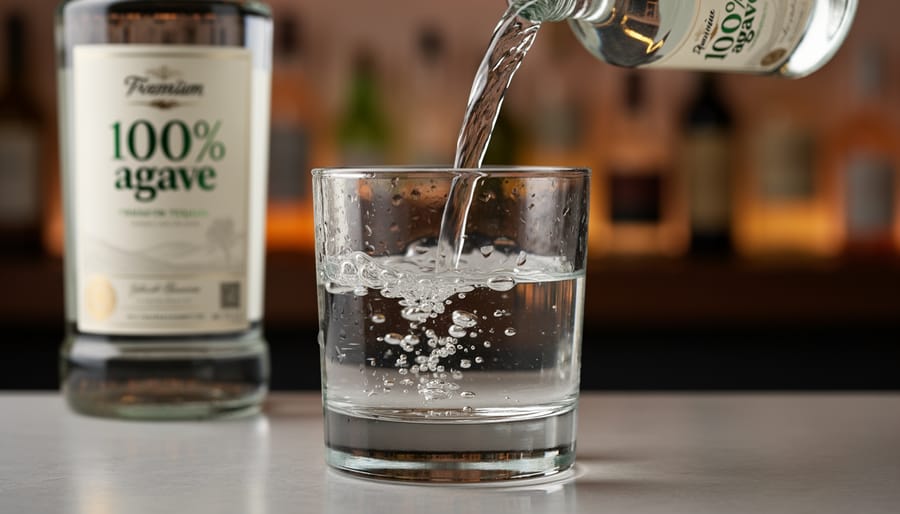
Not all tequilas deliver the same health benefits. The key difference lies in what’s actually inside the bottle. When shopping for tequila with wellness in mind, look for bottles labeled “100% agave” or “100% puro de agave.” These contain only distilled blue agave, whereas mixtos can include up to 49% sugars from other sources, corn syrup, cane sugar, or additives, which eliminate the beneficial agavins that give quality tequila its potential health properties.
Reading tequila labels follows similar principles to supplement label basics: scrutinize what’s listed and what’s conspicuously absent. If a label doesn’t explicitly state “100% agave,” it’s a mixto. Premium brands proudly display their agave purity, often including the NOM number that identifies the specific distillery where the tequila was produced.
When selecting for health benefits, consider these characteristics:
- 100% blue agave certification clearly marked on the label
- Traditional production methods, such as stone oven roasting and natural fermentation
- Additive-free formulations without caramel coloring, glycerin, or oak extracts
As for the type, blanco (unaged) tequilas retain the highest concentration of agavins since they go straight from distillation to bottle. Reposado and añejo varieties, aged in oak barrels for two months to several years, develop richer flavors and smoother finishes but may contain slightly lower levels of these beneficial compounds due to the aging process. That said, all three types offer health advantages when they’re 100% agave, the choice between them comes down to your flavor preference and how you plan to enjoy the spirit.
How to Enjoy Tequila for Wellness
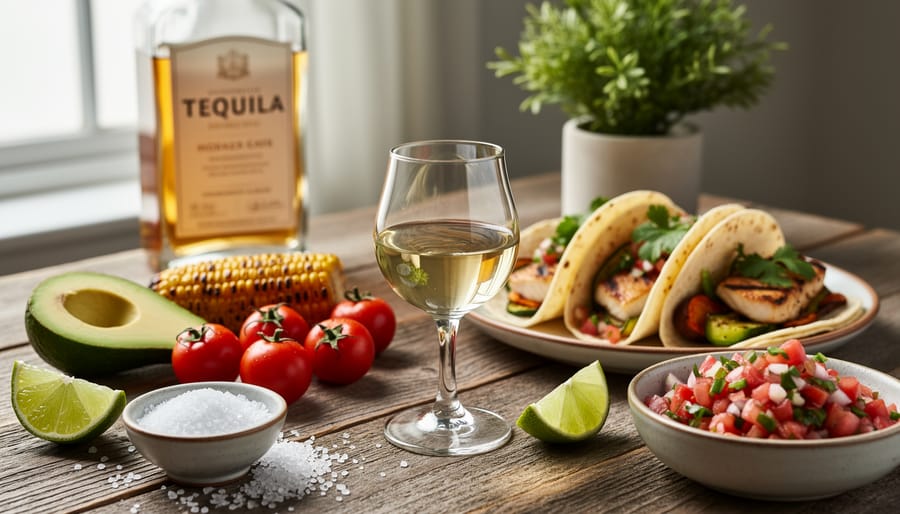
The healthiest way to enjoy tequila is sipping it slowly, exactly as it’s served in traditional cantinas throughout Mexico. Pour one to one and a half ounces of 100% agave tequila into a proper caballito glass or narrow tumbler, then take small sips to savor the flavor and allow the agavins to work gradually in your digestive system. This mindful approach respects both the spirit’s craftsmanship and principles of moderation and health.
Timing matters when you’re drinking for wellness. The traditional Mexican custom of a small pour after dinner aligns perfectly with tequila’s digestive benefits, as the agavins support your gut bacteria when they’re actively processing food. Avoid consuming tequila on an empty stomach, which can lead to faster alcohol absorption and diminish the prebiotic effects.
Pairing tequila with the right foods enhances both flavor and function. Serve alongside dishes rich in healthy fats and fiber, guacamole with fresh vegetables, grilled fish tacos, or black bean dishes. These combinations slow alcohol absorption while the fiber works synergistically with tequila’s prebiotic properties. Fresh citrus, traditionally served as lime wedges with tequila, adds vitamin C and aids digestion.
Skip the sugary mixers that negate tequila’s blood sugar benefits. If you prefer a cocktail, keep it simple with fresh lime juice and mineral water, or try the traditional sangrita (a savory tomato-based chaser) served alongside. Room temperature tequila reveals more complex flavors than chilled, encouraging slower, more appreciative consumption that maximizes wellness benefits while honoring Mexican tradition.
Types of The Health Benefits of Tequila
Understanding tequila’s health benefits requires distinguishing between different categories of effects, each supported by varying levels of research. Metabolic benefits center on blood sugar regulation and weight management, primarily attributed to agavins’ unique properties as non-digestible sugars. Digestive benefits involve prebiotic effects that support beneficial gut bacteria and aid in nutrient absorption. Bone health benefits relate to improved calcium and magnesium uptake, though this research remains preliminary. Cardiovascular benefits emerge from moderate consumption patterns, similar to other spirits but potentially enhanced by tequila’s specific compounds.
When evaluating these categories, consider the evidence and safety profile for each claim. Benefits tied to agavins show the strongest research foundation, while cardiovascular and bone health claims require more cautious interpretation. The type of tequila matters significantly, 100% agave varieties offer these potential benefits, while mixtos dilute or eliminate them entirely through added sugars and non-agave alcohols.
Common Questions About Tequila and Health
The questions we hear most often about tequila and health deserve straight answers grounded in what research actually shows. Let’s clear up the confusion and separate the folklore from the facts.
Is tequila really healthier than other spirits?
Tequila made from 100% agave contains agavins that may offer digestive and blood sugar benefits not found in other spirits, but all alcohol carries health risks. The potential advantages come specifically from agavins and depend entirely on choosing quality 100% agave tequila consumed in strict moderation.
Does tequila help with weight loss?
While agavins don’t spike blood sugar the way regular sugars do, tequila still contains calories and alcohol that can interfere with weight management. Research on agavins shows promise for blood sugar regulation, but tequila itself is not a weight loss aid.
Can tequila prevent hangovers?
No spirit prevents hangovers, but 100% agave tequila may cause less severe ones than mixtos because it lacks added sugars and congeners. The best hangover prevention remains drinking water between servings and knowing your limits.
Do aged tequilas have the same health benefits as blanco?
All 100% agave tequilas contain agavins regardless of aging, though barrel aging may slightly alter the chemical composition. The core digestive and prebiotic benefits remain consistent across blanco, reposado, and añejo varieties.
One critical point bears repeating: the health benefits we’ve discussed apply only to pure, 100% agave tequila. Mixtos, which contain just 51% agave and are filled out with other sugars, don’t offer the same advantages and may actually worsen some of the concerns people hope to avoid. Always check the label, and remember that even the finest tequila should be enjoyed thoughtfully, not treated as a health supplement. The difference between a beneficial serving and an excessive one is smaller than most people realize.
The health benefits of tequila reveal themselves most beautifully when we approach this spirit the way it’s been enjoyed in Mexico for generations, with respect, appreciation, and a keen eye for quality. While the research on agavins and their positive effects on digestion, blood sugar, and bone health is genuinely promising, these benefits only emerge when you’re sipping premium 100% agave tequila in moderation, not mixing cheap bottles into sugary cocktails.
Think of quality tequila as you would any artisanal food or beverage: its value lies in craftsmanship, authenticity, and the cultural traditions behind it. A well-made blanco or reposado carries the story of Jalisco’s volcanic soil, the jimadores who harvest the agave, and centuries of distillation knowledge. When you choose carefully and consume mindfully, you’re not just potentially supporting your wellness, you’re participating in a rich cultural heritage.
At El Caballito, we believe the best way to experience tequila’s potential is in its proper context: paired with authentic Mexican cuisine that complements its earthy complexity, served in an atmosphere that honors its origins. Our selection of premium 100% agave tequilas lets you explore the spectrum from bright, vegetal blancos to smooth, oak-kissed añejos, each offering its own character and qualities.
Whether you’re curious about the science or simply seeking an exceptional evening out, we invite you to discover how tequila was meant to be enjoyed, with great food, warm company, and the spirit of Mexican tradition guiding every sip.