
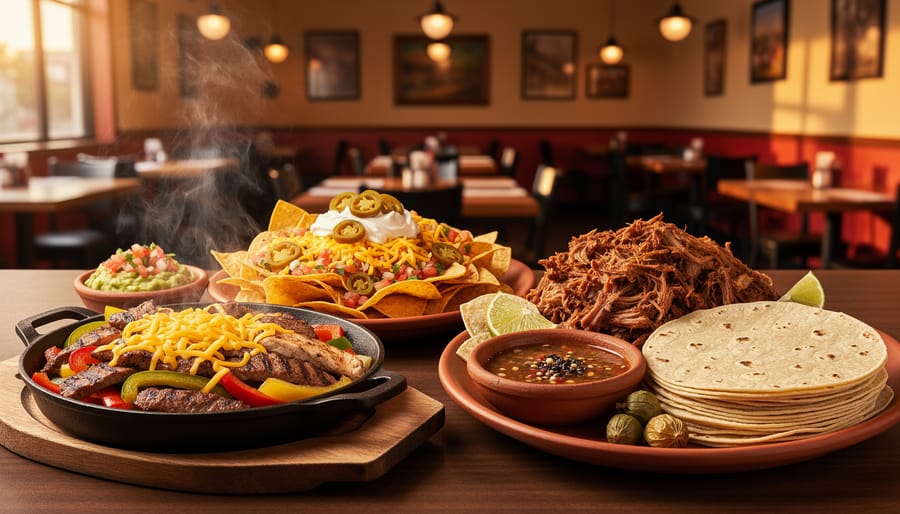
The verdict is straightforward: neither Tex-Mex nor Mexican food is better, they’re fundamentally different cuisines born from distinct histories, ingredients, and culinary philosophies. If you crave the bold, cheesy comfort of sizzling fajitas and loaded nachos, Tex-Mex delivers. If you’re seeking the nuanced, layered flavors of centuries-old Mexican tradition, from Oaxacan mole to Yucatecan cochinita pibil, authentic Mexican cuisine is your answer.
The confusion between these two is understandable. Walk into most North American restaurants labeled “Mexican,” and you’re likely eating Tex-Mex without realizing it. That’s not a criticism, just a reality shaped by geography and immigration patterns that began in the 1800s along the Texas-Mexico border.
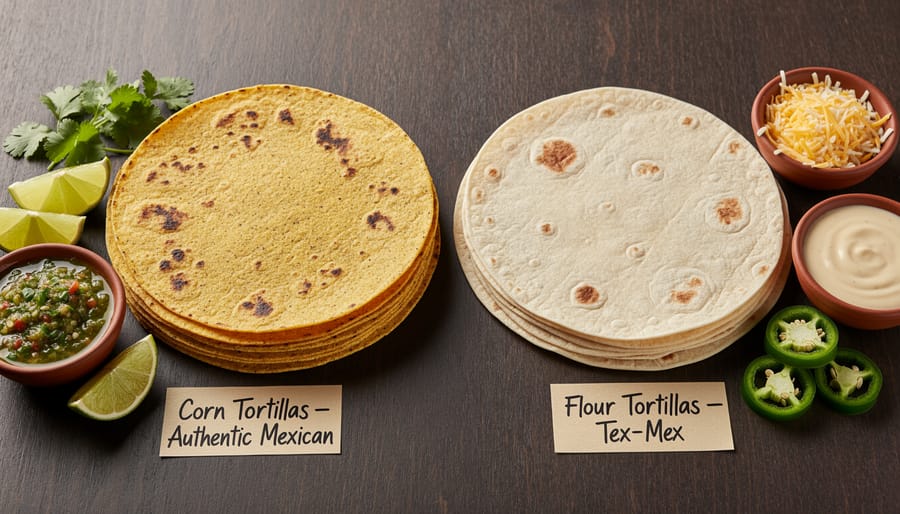
Tex-Mex emerged when Tejano families adapted traditional Mexican recipes using ingredients available in Texas: yellow cheese instead of queso fresco, wheat flour tortillas in place of corn, cumin by the spoonful. The result became its own beloved cuisine, perfected in San Antonio and exported across the continent. It’s comfort food at its finest, designed for big portions and bold, straightforward flavors.
Authentic Mexican food, meanwhile, represents the culinary heritage of an entire nation with vastly different regional traditions. The cuisine of Mexico City bears little resemblance to coastal Veracruz or the indigenous cooking of Chiapas. You’ll find fresh aguas frescas instead of frozen margaritas, delicate salsas made from charred tomatillos and árbol chiles, and corn tortillas pressed fresh throughout the day.
Understanding the difference isn’t about declaring one superior. It’s about knowing what you’re ordering, appreciating each cuisine’s unique story, and choosing the experience that matches your craving. Both belong on your table, just for different reasons.
At a Glance: Tex-Mex and Mexican Food Compared
Before you order your next plate, here’s what sets Tex Mex apart from traditional Mexican food at a glance. This quick comparison cuts through the confusion and shows you exactly what makes each cuisine distinct.
| Aspect | Tex-Mex | Mexican Food |
|---|---|---|
| Origin | Texas-Mexico border, early 1900s | Indigenous Mexico, centuries-old traditions |
| Key Ingredients | Cumin, chili powder, flour tortillas, ground beef | Fresh chiles, corn tortillas, cilantro, authentic spices |
| Cheese | Yellow cheddar, Monterey Jack, melted throughout | Queso fresco, cotija, oaxaca, used sparingly |
| Heat Level | Mild to moderate, predictable spice | Varies by region, complex chile flavors |
| Signature Dishes | Fajitas, nachos, crispy tacos, chimichangas | Tacos al pastor, mole, pozole, cochinita pibil |
| Dining Style | Large portions, comfort-focused, casual | Smaller plates, refined presentation, ingredient-driven |
The fundamental split comes down to this: Tex-Mex evolved as Mexican immigrants adapted their recipes to American ingredients and tastes, creating something entirely new. Authentic Mexican cuisine stays rooted in regional traditions passed down through generations, with techniques and flavors that reflect Mexico’s diverse culinary landscape. Neither is better, they simply serve different cravings and occasions, which is why understanding the distinction helps you choose wisely when hunger strikes.
Understanding Each Cuisine
What Is Authentic Mexican Cuisine?
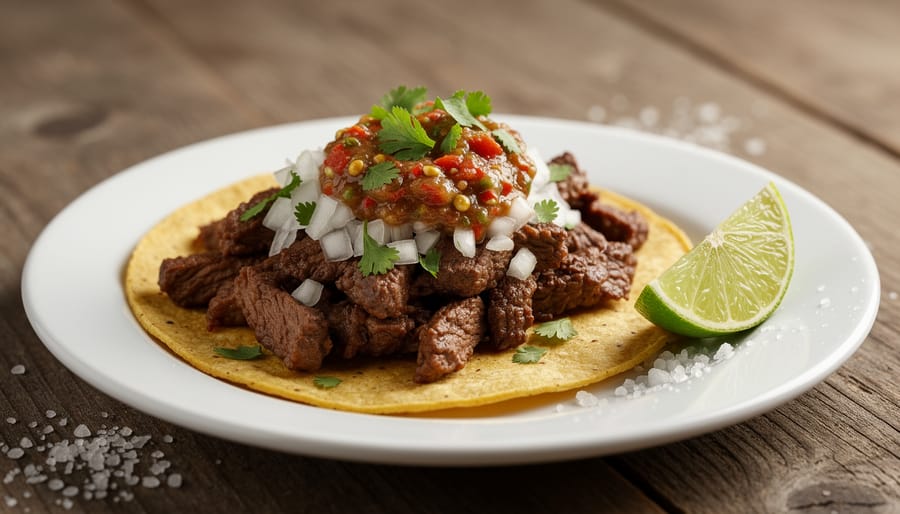
Authentic Mexican cuisine is a culinary tradition stretching back over three thousand years, rooted in the agricultural genius of indigenous civilizations who domesticated corn, beans, squash, chiles, and cacao. When Spanish colonizers arrived in the sixteenth century, they brought wheat, rice, pork, and dairy, which merged with native ingredients to create the layered, complex flavors that define Mexican cooking today. This fusion wasn’t superficial, it created entirely new dishes and techniques that have been refined through generations of home cooks and family recipes passed down as precious heirlooms.
What makes Mexican food truly authentic is its profound regional diversity. Each of Mexico’s thirty-two states has distinct culinary traditions shaped by local ingredients, climate, and indigenous heritage. The Yucatán Peninsula specializes in citrus-marinated cochinita pibil slow-cooked in banana leaves. Puebla is famous for its elaborate mole poblano, a sauce that can contain over thirty ingredients including multiple chile varieties and Mexican chocolate. Oaxaca and mezcal represent just one facet of that state’s culinary wealth, it’s also known as the “land of seven moles” and produces exceptional chocolate and tlayudas.
- Mole
- A complex sauce made from chiles, spices, nuts, seeds, and often chocolate, requiring hours of preparation and balancing dozens of ingredients.
- Masa
- Corn dough made from nixtamalized corn (treated with lime water), forming the foundation for tortillas, tamales, and countless other dishes.
- Epazote
- A pungent Mexican herb with a distinctive flavor used in black beans, quesadillas, and traditional soups throughout central Mexico.
- Huitlacoche
- A delicacy known as “corn truffle,” this fungus grows on corn and is prized for its earthy, mushroom-like flavor in quesadillas and soups.
- Crema Mexicana
- A tangy, pourable fermented cream thinner than American sour cream, used to balance rich and spicy flavors.
- Queso Fresco
- A mild, crumbly fresh cheese that doesn’t melt, traditionally crumbled over tacos, tostadas, and bean dishes.
Traditional preparation methods remain central to authentic Mexican cooking. Ingredients are stone-ground on volcanic molcajetes, chiles are fire-roasted to develop smoky depth, and corn tortillas are pressed and cooked fresh for each meal. Street tacos arrive on small corn tortillas topped simply with grilled meat, cilantro, onion, and a squeeze of lime, no cheese, no lettuce, no elaborate toppings. In Mexican households, food carries profound cultural weight. Preparing tamales for Christmas or Day of the Dead becomes a communal ritual where entire families gather, each person contributing to the labor-intensive process while sharing stories and strengthening bonds across generations.
What Is Tex-Mex Cuisine?
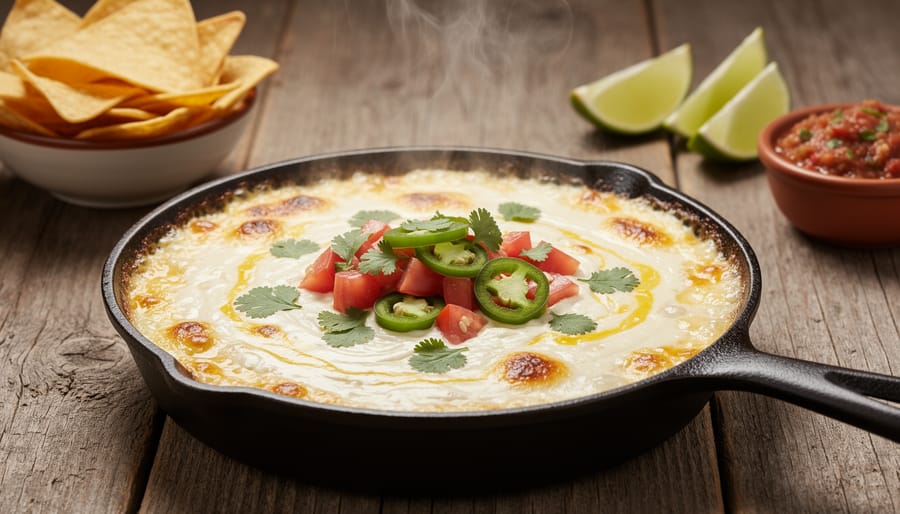
Tex-Mex emerged in the early 1900s along the Texas-Mexico border, where Mexican immigrant communities adapted their cherished recipes to a new landscape. When traditional ingredients proved scarce or expensive, resourceful cooks turned to what American grocery stores offered: ground beef instead of slow-braised carnitas, cheddar cheese in place of queso fresco, and canned tomatoes rather than fresh tomatillos. These substitutions weren’t shortcuts but creative solutions that gave birth to an entirely new culinary tradition with Tex-Mex roots in borderlands culture.
The cuisine developed its signature identity through several defining characteristics. Flour tortillas, easier to produce and more familiar to Anglo-Texan palates, became the standard over corn. Melted yellow cheese, often cheddar or Monterey Jack, blankets nearly everything, creating the gooey, indulgent experience Americans crave. Portions grew substantially larger than their Mexican counterparts, reflecting American dining expectations and the value-driven approach of early Tex-Mex restaurants.
Spice profiles shifted too. Rather than building complexity through multiple chile varieties, Tex-Mex relies heavily on cumin and chili powder, creating a warmer, earthier flavor that feels immediately recognizable and comforting. The heat level typically runs milder, making the cuisine more accessible to diners unaccustomed to bold spice.
This fusion gave us dishes that have become American icons. Fajitas, sizzling platters of grilled meat with peppers and onions, originated in Texas ranches before becoming a restaurant phenomenon. Chili con queso, that addictive cheese dip with green chiles, exists nowhere in traditional Mexican cooking. Crispy hard-shell tacos, while inauthentic by Mexican standards, created their own beloved category. Combination plates piled with rice, beans, enchiladas, and tacos represent abundance in a way that feels distinctly Texan.
Tex-Mex isn’t trying to replicate Mexico. It’s a honest expression of cultural adaptation, celebrating what happens when traditions meet new possibilities.
Breaking Down the Differences: A Detailed Comparison
Ingredients and Flavor Foundations
The divide between these cuisines begins at the market. Authentic Mexican kitchens build flavors from scratch using fresh chiles, each variety offering distinct heat and character. Poblanos bring earthy depth to rajas, serranos add bright fire to salsas, and habaneros deliver floral intensity in Yucatecan dishes. Mexican cooks reach for indigenous ingredients like epazote, Mexican oregano, and hoja santa, herbs that simply don’t grow in Texas grocery stores.
Cheese tells another story. Traditional Mexican cuisine favors cotija’s salty crumble, queso fresco’s mild creaminess, and Oaxaca’s stretchy texture. Corn tortillas, ground daily from nixtamalized masa, form the foundation of countless dishes. Mole sauces might contain thirty ingredients, toasted and ground by hand, creating layers of flavor that unfold with each bite.
Tex-Mex took a different path out of necessity. Early Texas cooks substituted what they could find: cheddar and Monterey Jack melted beautifully over enchiladas, flour tortillas proved easier to source than masa, and canned jalapeños offered year-round heat. Cumin became the signature spice, its warm earthiness defining the Tex-Mex flavor profile alongside chili powder blends. Black beans replaced pintos in many kitchens.
These aren’t inferior choices, they’re adaptations that created something new. Tex-Mex flavors arrive bold and immediate, comfort-forward and satisfying. Mexican cuisine reveals itself more gradually, rewarding patience with complexity. Both approaches have their place at the table.
Cooking Techniques and Preparation
The way food is prepared reveals the soul of each cuisine. Authentic Mexican cooking honours centuries-old techniques passed down through generations. Cooks grind dried chiles, spices, and seeds on volcanic stone molcajetes to create complex mole sauces that simmer for hours, developing layer upon layer of flavour. Tamales steam wrapped in corn husks, cochinita pibil slow-braises in banana leaves until the pork falls apart, and tortillas emerge fresh from hand-pressing masa moments before they hit the comal. These time-intensive methods demand patience and skill, transforming simple ingredients into dishes that taste distinctly different from anything produced quickly.
Tex-Mex preparation, by contrast, embraces efficiency and accessibility. Grills sear marinated fajita meat at high heat, pre-shredded cheese melts over dishes in minutes, and flour tortillas come ready-made. The focus shifts from lengthy traditional processes to assembling familiar components quickly. Sauces often start from canned bases enhanced with cumin and chili powder rather than being built from scratch. This streamlined approach makes Tex-Mex practical for busy restaurants and home cooks alike, but the trade-off appears in the depth of flavour. Where Mexican techniques coax out subtle, nuanced tastes through patient craftsmanship, Tex-Mex delivers bold, straightforward satisfaction through speed and volume.
Signature Dishes and Menu Staples
The menus tell the story. Walk into an authentic Mexican restaurant and you might encounter tacos al pastor, spit-roasted pork marinated in dried chiles and pineapple, carved fresh and nestled in warm corn tortillas with cilantro and onion. This dish arrived in Mexico City during the 1930s, inspired by Lebanese immigrants who brought shawarma techniques. Cochinita pibil carries even deeper roots: slow-roasted pork rubbed with achiote and bitter orange, wrapped in banana leaves following Mayan tradition. During Independence Day celebrations, you’ll find chiles en nogada, poblano peppers stuffed with picadillo, draped in walnut cream sauce and jeweled with pomegranate seeds, representing the Mexican flag’s colors.
Tex-Mex carved its own path with crowd-pleasers born along the border. Beef fajitas emerged from ranch culture in the 1930s when vaqueros grilled skirt steak over mesquite, though the sizzling platter presentation we know today became a San Antonio restaurant phenomenon in the 1970s. Nachos arrived even more recently, invented in 1943 when Ignacio “Nacho” Ayala quickly assembled fried tortilla chips with melted cheese for American military wives in Piedras Negras. Combination plates, those generous samplings of enchiladas, tacos, rice and beans all on one dish, don’t exist in Mexico but became Tex-Mex’s signature format for abundance.
Here’s how the two cuisines differ on the plate:
- Mexican: Tacos al pastor with pineapple and fresh cilantro on handmade corn tortillas
- Tex-Mex: Crispy ground beef tacos in fried shells topped with shredded lettuce and cheddar
- Mexican: Pozole, hominy stew simmered for hours with pork and dried chiles
- Tex-Mex: Chili con carne, beef stew thick with beans, tomatoes and cumin
- Mexican: Mole poblano requiring thirty ingredients and days of preparation
- Tex-Mex: Chimichangas, deep-fried burritos smothered in queso and sour cream
The chimichanga controversy remains unresolved, both Arizona and Sonora claim its invention, but its deep-fried, cheese-covered nature marks it firmly as Tex-Mex territory. Mexican cuisine favors technique and patience; Tex-Mex built its reputation on immediacy and comfort.
Portion Sizes and Presentation
Walk into a traditional Mexican restaurant and you’ll notice plates that look like edible art: a single taco crowned with fresh cilantro, a delicate drizzle of crema, and perhaps a grilled cactus paddle alongside. Portions tend to be modest, reflecting Mexico’s cultural emphasis on savoring multiple courses and sharing dishes family-style. Each element serves a purpose, balancing flavors and textures without overwhelming the palate. The presentation itself tells a story, with vibrant colors from fresh ingredients creating visual appeal.
Tex-Mex takes a different approach. Here, abundance reigns. Combination plates arrive piled high with rice, beans, cheese-smothered enchiladas, and a heap of chips on the side. The philosophy centers on value and satisfaction, giving diners generous servings that often require a to-go box. Presentation focuses less on artistry and more on comfort: melted cheese cascading over everything, sour cream dolloped generously, and plates filled edge to edge. This reflects American dining culture’s preference for hearty portions and straightforward, accessible plating that prioritizes filling your belly over contemplative tasting.
Which Cuisine Should You Choose?
Choose Authentic Mexican When…
Authentic Mexican cuisine is your answer when you’re ready to step beyond the familiar and embrace culinary adventure. If your palate craves complex layers of flavor, think smoky pasilla chiles, earthy huitlacoche, or the intricate spice symphony of a traditional mole, Mexican food delivers an experience Tex-Mex simply can’t match.
Choose authentic when you want to explore regional Mexican specialties that tell a story: Oaxacan tlayudas, Yucatecan cochinita pibil, or delicate ceviche from the coastal regions. These dishes transport you to their places of origin with every bite.
Authentic Mexican fare also shines when you’re seeking lighter, more balanced meals. With its emphasis on fresh vegetables, lean proteins, and corn rather than heavy cheese and flour, it satisfies without weighing you down.
For those pursuing cultural immersion or celebrating traditional Mexican holidays like Día de los Muertos or Cinco de Mayo, authentic dishes honor the heritage behind the occasion. Food enthusiasts and culturally curious diners will find endless depth in the techniques passed down through generations, from hand-pressed tortillas to slow-simmered broths that have simmered for hours, capturing centuries of tradition.
Choose Tex-Mex When…
Tex-Mex shines when you’re looking for hearty, no-fuss comfort food that hits the spot without demanding culinary bravery. It’s the perfect choice for casual get-togethers where conversation matters more than culinary exploration, think game nights, birthday parties, or laid-back dinners where everyone can find something they’ll enjoy. The familiar flavors and generous portions make it ideal for feeding a crowd without worrying about adventurous eaters or dietary hesitations.
If you’re introducing children to Mexican-inspired cuisine, Tex-Mex offers a gentle gateway. The milder spice levels, familiar cheese-heavy dishes, and recognizable formats like tacos and quesadillas help young palates ease into new flavors without overwhelming them. Many parents appreciate how Tex-Mex bridges the gap between plain American fare and more complex cuisines.
Budget-conscious diners often gravitate toward Tex-Mex for good reason. The combination platters deliver substantial value, and the hearty ingredients, beans, rice, melted cheese, create satisfying meals that don’t break the bank. You leave full and content, which matters when you’re feeding a family or watching your wallet.
Choose Tex-Mex when you crave the comforting predictability of familiar favorites. There’s genuine pleasure in knowing exactly what you’ll get: sizzling fajitas with peppers and onions, nachos piled high with toppings, burritos wrapped tight and stuffed generously. It’s honest, accessible food that has earned its place in American dining culture, not as authentic Mexican cuisine, but as something entirely its own.
Experiencing Both at El Caballito
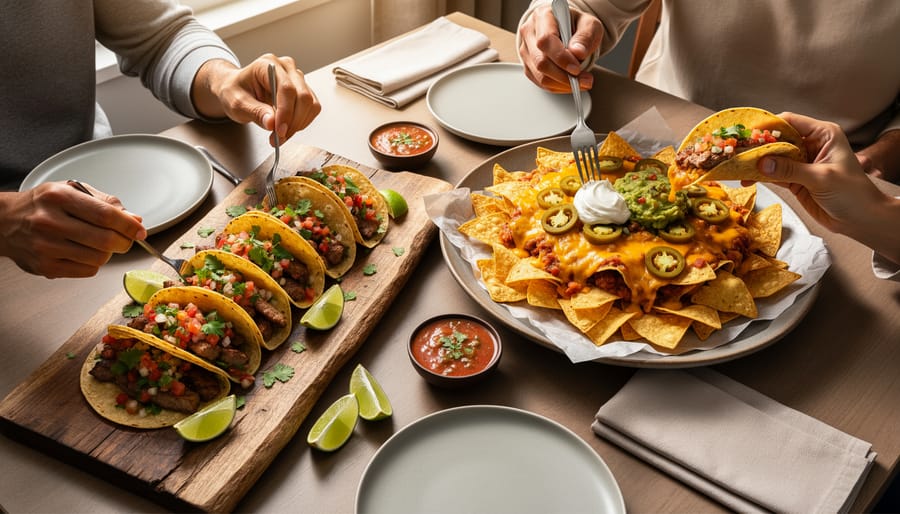
At El Caballito, you don’t have to choose between Tex-Mex and Mexican food, you can savor the best of both traditions under one roof. The restaurant celebrates authentic Mexican flavors while embracing creative interpretations that honor the spirit of both cuisines, giving diners a comprehensive taste of Mexico’s culinary spectrum.
The menu showcases this dual approach beautifully. You’ll find traditional dishes prepared with meticulous attention to heritage recipes, tacos crafted with hand-pressed corn tortillas, slow-braised carnitas seasoned with traditional spices, and salsas made fresh daily from authentic chiles. Alongside these classics, the kitchen offers modern takes that incorporate Tex-Mex’s bold, approachable flavors without compromising quality or authenticity.
This philosophy extends to the beverage program, where the tequila selection takes center stage. The bar features premium small-batch tequilas and mezcals that pair perfectly with both refined Mexican dishes and heartier Tex-Mex fare. Margaritas range from traditional lime preparations to inventive seasonal variations, each designed to complement different flavor profiles on the menu.
The approach reflects La Tequila Cocina principles, where tequila isn’t just a drink but an integral ingredient that elevates dishes and connects diners to Mexican culinary tradition.
Walk into El Caballito and the vibrant atmosphere immediately transports you. Colorful décor, energetic music, and the aroma of sizzling fajitas mingling with slow-cooked mole create an immersive experience. Whether you’re craving the comfort of cheese-laden enchiladas or the adventurous complexity of regional Mexican specialties, the restaurant delivers an authentic cultural journey that celebrates both sides of this delicious debate.
What Each Option Is
Authentic Mexican cuisine represents the traditional cooking of Mexico’s diverse regions, rooted in indigenous ingredients and centuries-old techniques passed down through generations. It features fresh chiles like poblano and serrano, handmade corn tortillas, native cheeses such as queso fresco and Oaxaca, and complex preparations like mole sauces that simmer for hours. Dishes showcase vibrant, layered flavors from ingredients like cilantro, lime, and tomatoes, often paired with beverages that highlight tequila health benefits and cultural tradition.
Tex-Mex is a distinct fusion cuisine born in the Texas-Mexico borderlands during the early 20th century, where Mexican immigrants adapted traditional recipes using readily available American ingredients. It’s characterized by flour tortillas, melted yellow cheeses like cheddar, generous use of cumin and chili powder, and heartier portions designed for American appetites. The style embraces comfort and accessibility, creating beloved dishes like sizzling fajitas, cheese-laden nachos, and crispy hard-shell tacos that have become staples of casual American dining.
Who Should Choose Which
Choose authentic Mexican food when you’re craving bold, layered flavors that showcase regional traditions, think slow-braised cochinita pibil, handmade tamales, or tacos al pastor with pineapple and fresh cilantro. This style suits adventurous eaters, special occasions celebrating Mexican culture, or lighter meals built around fresh vegetables, citrus, and complex spice blends. It’s ideal for those seeking an immersive culinary experience that honors centuries-old techniques.
Choose Tex-Mex when you want comfort, familiarity, and generous portions, sizzling beef fajitas, cheesy enchiladas, or crispy nachos piled high. This cuisine appeals to families with children, casual gatherings, or anyone seeking satisfying, budget-friendly fare that’s easy to share. Tex-Mex shines at relaxed get-togethers where margaritas flow freely (and if you’ve wondered is tequila good for you or explored the relationship between tequila and blood pressure you’ll appreciate knowing your drink). It delivers predictable favorites without the learning curve of unfamiliar regional dishes.
Common Questions About Tex-Mex and Mexican Food
Is Tex-Mex or Mexican food healthier?
Authentic Mexican cuisine often edges ahead in the health department, relying on fresh vegetables, lean proteins, beans, and minimal cheese. Tex-Mex dishes tend to be richer with melted cheese, sour cream, and fried components, though both can be enjoyed as part of a balanced diet when you choose thoughtfully.
Can you find authentic Mexican food in Texas?
Absolutely. Texas cities like San Antonio, Houston, and El Paso have thriving Mexican communities with restaurants serving regional specialties from Oaxaca, Puebla, and beyond. The key is looking for family-owned spots advertising specific regional dishes rather than combination plates.
What makes a taco authentic?
An authentic Mexican taco typically features a soft corn tortilla, simply grilled or warmed, topped with finely chopped meat, fresh cilantro, diced onions, and a squeeze of lime. You won’t find shredded lettuce, yellow cheese, or a hard shell, those are Tex-Mex signatures.
Are burritos Mexican or Tex-Mex?
While northern Mexico has its own burrito tradition, the oversized flour-tortilla burritos stuffed with rice, beans, cheese, and multiple proteins are distinctly Tex-Mex. Authentic Mexican burritos from places like Chihuahua are smaller, simpler, and focus on one or two quality fillings.
These questions come up constantly because the line between Tex-Mex and authentic Mexican food can blur, especially in border regions where culinary traditions naturally overlap. Understanding these distinctions helps you order confidently and appreciate what each kitchen brings to the table.
The popularity of Tex-Mex in the United States stems from its accessibility and comfort-food appeal. It emerged when Mexican immigrants adapted their recipes to American ingredients and tastes, creating a cuisine that feels familiar yet exciting. The generous portions, melted cheese, and bold but not overly spicy flavors won over American diners throughout the twentieth century, making it a staple at casual restaurants and family gatherings nationwide.
When you’re evaluating a restaurant menu, look for telltale signs of each style. Authentic Mexican spots often list regional specialties like cochinita pibil or mole poblano, use Spanish descriptions, and emphasize handmade tortillas. Tex-Mex menus lean toward combination plates, fajita platters, and dishes described as “smothered” or “loaded.” Neither approach is wrong, they’re simply different expressions of a shared culinary heritage, each delicious in its own right.
Whether you’re drawn to the bold, comforting embrace of Tex-Mex or the intricate, regional artistry of authentic Mexican cuisine, both traditions deserve a place at your table. Understanding the real differences between Tex-Mex vs Mexican food isn’t about choosing sides, it’s about enriching every meal with intention and appreciation. Each style tells its own story: one of cultural adaptation and borderland creativity, the other of centuries-old techniques passed down through generations.
The beauty lies in knowing what you’re experiencing. When you bite into a sizzling plate of fajitas, you’re tasting Texas innovation. When you savor the layered complexity of a mole poblano, you’re connecting with pre-Hispanic traditions. Both are delicious, both are meaningful, and both have earned their devoted followings.
At El Caballito, we celebrate this duality. Our menu honors the authentic flavors of Mexico while embracing the spirited creativity that makes dining an adventure. You’ll find dishes that transport you to Oaxaca alongside creations that nod to our cross-cultural culinary evolution. The margaritas flow, the atmosphere pulses with energy, and every plate reflects our respect for tradition and our love of bold innovation.
Your flavor journey doesn’t require choosing one path. Come explore both, discover your favorites, and deepen your appreciation for the vibrant world of Mexican culinary heritage. Make a reservation at El Caballito and let your taste buds decide.