

Let’s clear up the confusion right away: “J Diet Suppl” isn’t a dietary supplement you can buy. It’s the abbreviated name for the Journal of Dietary Supplements, an academic publication where researchers publish scientific studies. If you landed here hoping to find a product that works with CBD oil, you’ve stumbled into a common misunderstanding that’s easy to make when abbreviations circulate online.
What you’re really after is trustworthy guidance on which dietary supplements genuinely complement CBD use, and that’s exactly what we’re here to explore. Think of this as sitting down at a cozy mesa with a knowledgeable friend who’s done the homework for you, someone who can cut through the marketing noise and point you toward evidence-based information.
The confusion around “J Diet Suppl” actually reveals something important about the supplement landscape in 2026: there’s a canyon-wide gap between what we see in peer-reviewed research and what companies promise on flashy labels. The journal itself publishes rigorous studies examining everything from omega-3 fatty acids to curcumin, magnesium to probiotics, many of which researchers have investigated alongside cannabinoids like CBD. But reading the abbreviation without context makes it sound like a product name, and that’s led countless searchers down the wrong path.
Here’s what matters for your wellness journey: understanding which supplements have actual scientific backing when used with CBD, how to identify quality sources, and where to find legitimate information that doesn’t involve invented dosages or unfounded claims. We’re going to walk through the research-backed options that show real promise, explain how to evaluate supplement quality with the same care you’d use selecting ingredients for a homemade mole, and give you the tools to separate genuine science from clever marketing.
Understanding the Journal vs. the Search

If you searched for “j diet suppl” hoping to find a supplement to purchase, you’re not alone in your confusion. This abbreviation actually refers to the Journal of Dietary Supplements, a peer-reviewed dietary supplements journal that publishes scientific research about nutrients, botanicals, and their effects on health. It’s not a product you can buy or a specific formula you can take with CBD oil.
The confusion stems from how search engines interpret abbreviated journal citations that appear across the internet. When researchers reference studies published in this journal, they often shorten it to “J Diet Suppl,” and those citations get indexed by search engines. If you’re looking for supplements that work well with CBD, you’re asking the right question but searching for something that doesn’t exist as a standalone product.
What you probably need is practical information about real dietary supplements that genuinely complement CBD’s effects. That’s where traditional wisdom meets modern science, and it’s exactly the kind of holistic approach to wellness we embrace at El Caballito. The answer isn’t in hunting for a phantom product but in understanding how certain nutrients and botanicals work together, much like how complementary ingredients create balance in a well-crafted dish.
Dietary Supplements That Complement CBD Oil
Fat-Soluble Foundations
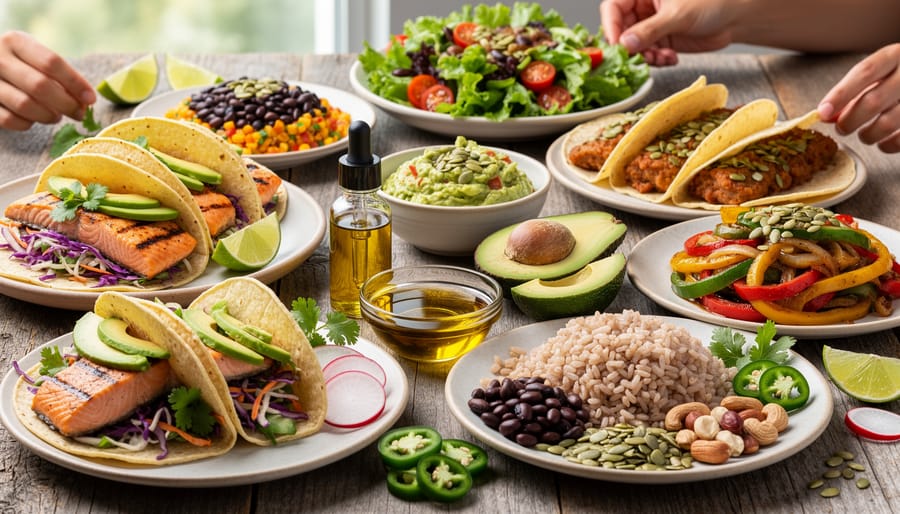
CBD is fat-soluble, which means your body absorbs it best when paired with dietary fats. Think of it like dissolving spices in oil for a Mexican mole, the fat carries the compounds where they need to go. Research confirms that fatty food increases CBD absorption rates significantly, making your supplement dollar stretch further.
Mexican culinary tradition has embraced healthy fats for centuries, long before scientists understood bioavailability. Avocados, a staple since Aztec times, deliver monounsaturated fats that create an ideal environment for CBD absorption. At El Caballito, we see this principle at work when guests enjoy CBD-infused offerings alongside our guacamole or dishes finished with quality olive oil.
Pepitas (pumpkin seeds) offer another traditional fat source rich in omega-3s. These nutty seeds, roasted and ground into pipián sauce or sprinkled over dishes, provide the lipid support that helps how CBD works with your body’s endocannabinoid system. Many supplement users now pair CBD with omega-3 capsules for the same reason our ancestors combined seeds with other medicinal plants.
MCT oil, derived from coconuts, has gained popularity as a CBD carrier because it’s quickly metabolized and efficiently absorbed. While not traditionally Mexican, it mirrors the principle behind cooking with coconut oil in coastal regions, fast-acting fats that don’t weigh you down.
The lesson here is simple: CBD isn’t meant to be taken in isolation. Whether through whole foods like avocado and pepitas or targeted supplements like fish oil, pairing CBD with quality fats respects both traditional wisdom and modern science.
Herbal Allies from Ancestral Traditions
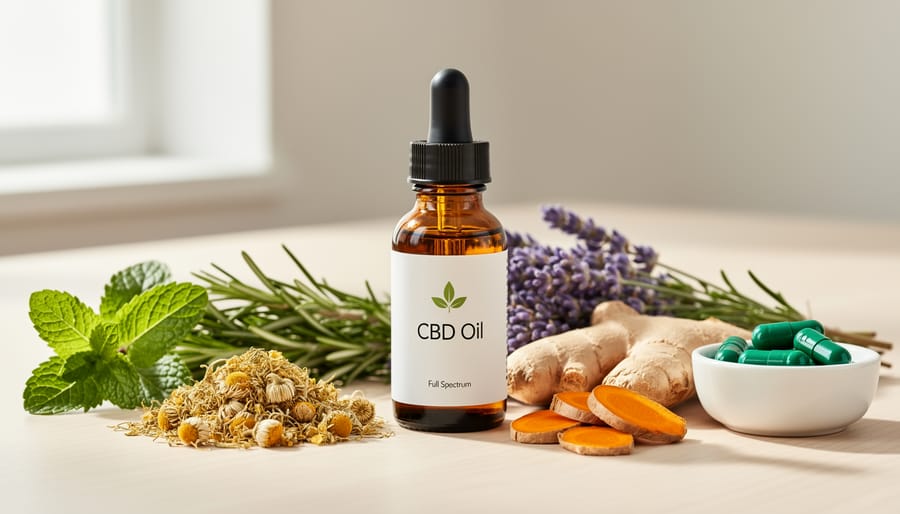
The ancient markets of Mexico held botanical wisdom that modern wellness circles are only beginning to rediscover. Long before CBD became a household term, indigenous healers combined plants with profound knowledge of how they worked together, a philosophy that resonates deeply with today’s interest in supplement synergies.
Cacao stands as perhaps the most celebrated example. Pre-Columbian cultures didn’t just consume it for flavor; they recognized its mood-supporting compounds and prepared it ceremonially with intention. Modern research suggests cacao’s natural compounds may influence some of the same pathways CBD does, particularly in supporting a sense of calm alertness. When you enjoy a piece of quality dark chocolate alongside CBD, you’re participating in a tradition thousands of years old, though the ancients couldn’t have named the specific mechanisms we understand today.
Chia seeds offer another connection between tradition and contemporary wellness. Aztec warriors relied on chia for sustained energy, and its omega-3 content naturally supports the absorption of fat-soluble compounds like CBD. A simple chia agua fresca becomes more than refreshment, it’s a delivery system rooted in cultural memory.
Mexican adaptogenic plants like damiana and passionflower appear in both traditional teas and modern supplement formulations. These herbs have documented calming properties that some practitioners believe may work harmoniously with CBD’s effects, though rigorous clinical research on specific combinations remains limited.
The key lesson from these ancestral traditions isn’t that they provide a roadmap for exact dosing or perfect formulations. Rather, they remind us that thoughtful plant combinations, consumed with awareness and respect for their properties, have long been part of holistic wellness. The wisdom lies in the approach, not in invented specifications.
What to Look for in Quality Dietary Supplements
Evaluating supplements requires the same discernment you’d bring to choosing ingredients for a meaningful meal. Rather than chasing invented product specifications or dosage claims you might find online, focus on verified quality markers that legitimate manufacturers provide. Third-party testing stands as the most reliable indicator, look for certifications from organizations like NSF International, USP, or ConsumerLab that independently verify contents match label claims.
Understanding a few key terms helps you navigate supplement labels with confidence:
- Third-party testing
- Independent laboratory verification that a supplement contains what the label claims, without contaminants like heavy metals or pesticides.
- Bioavailability
- The proportion of a supplement that your body can actually absorb and use, which varies dramatically based on formulation and what you consume alongside it.
- Entourage effect
- The synergistic interaction between multiple plant compounds working together, often more effective than isolated ingredients alone.
- Standardized extracts
- Herbal supplements processed to contain consistent amounts of active compounds, ensuring predictable effects across batches.
When exploring CBD supplement basics or other dietary supplements, examine the certificate of analysis (COA) that reputable brands make available. This document reveals actual test results for potency, purity, and contaminant screening. Transparency matters, companies confident in their products don’t hide behind vague marketing language.
Avoid supplements making therapeutic claims about treating specific diseases, as these cross into unapproved drug territory under regulatory guidelines. Instead, seek products with clear sourcing information, manufacturing dates, and contact details for the company. Mexican culinary wisdom teaches us that knowing where ingredients come from and how they’re prepared creates trust. Apply that same philosophy to supplements: if a brand won’t reveal their sourcing or testing practices, that opacity should raise questions. Quality supplements support your wellness journey the same way thoughtfully sourced ingredients support a memorable meal, through integrity you can verify, not promises you must simply believe.
Pairing Food and Supplements: Lessons from the Mexican Table
Traditional Mexican meals offer a masterclass in nutritional balance that modern supplement enthusiasts can learn from. At El Caballito, we’ve always understood what research now confirms: the right combinations of foods work together to help your body absorb and use nutrients more effectively, whether they come from your plate or a supplement bottle.
Consider a classic meal of grilled fish tacos with avocado, pico de gallo, and a side of black beans. The healthy fats in the avocado create the perfect environment for absorbing fat-soluble compounds like CBD, while the protein from fish and beans provides amino acids that support the body’s endocannabinoid system. The fresh tomatoes and cilantro in the pico contribute antioxidants that protect delicate plant compounds from oxidation before your body can use them.
Our mole dishes demonstrate this wisdom even more beautifully. The cacao in traditional mole provides compounds that may enhance CBD’s calming effects, while the nuts and seeds ground into the sauce deliver the fats needed for absorption. Even the timing matters: Mexican food culture emphasizes leisurely meals that give your digestive system time to break down and assimilate nutrients properly.
When you take CBD oil or other supplements, think about pairing them with foods that echo these traditional combinations. A breakfast of chia pudding with pepitas and a drizzle of honey provides both soluble fiber to support gut health and fats to enhance absorption. A midday snack of guacamole with whole-grain chips delivers the same absorption-boosting fats our ancestors relied on.
The lesson from the Mexican table is simple: isolated nutrients rarely work as well as thoughtful combinations. Whether you’re enjoying a meal or planning your supplement routine, balance and synergy matter more than any single ingredient.
Where to Find Reliable Supplement Information
When you’re ready to explore a CBD dietary supplement routine, start with sources that prioritize evidence over marketing. The Journal of Dietary Supplements (that’s what J Diet Suppl stands for) publishes peer-reviewed research on supplement efficacy and safety, though you’ll need institutional access or individual article purchases to read most studies. PubMed offers free abstracts and many full-text articles examining supplement interactions and mechanisms. For broader guidance, organizations like the National Institutes of Health’s Office of Dietary Supplements provide consumer-friendly fact sheets on individual supplements, their potential benefits, and known risks.
Third-party testing certifications from NSF International, USP, or ConsumerLab help verify that supplements contain what their labels claim, without contaminants. These organizations maintain searchable databases of tested products. Steer clear of websites that promise miracle cures or present suspiciously specific claims without citing research. At El Caballito, we’ve found that the same principle applies to both food and wellness: authentic quality comes from transparent sourcing and honest representation, not manufactured stories.
So while J Diet Suppl itself is simply a journal title, the confusion surrounding it opened a door to something genuinely valuable: understanding how the right dietary supplements can work alongside CBD oil to support your wellness journey. Just as we layer flavors at El Caballito to create something greater than the sum of its parts, thoughtful supplement choices can enhance each other’s benefits when approached with knowledge and care.
This philosophy extends naturally to everything we do at our table. When you savor dishes rich in healthy fats from avocado and pepitas, or sip drinks infused with adaptogenic cacao, you’re experiencing the same principles of holistic nourishment that smart supplement pairing embodies. Our approach isn’t about chasing trends but honoring time-tested wisdom from Mexican culinary traditions that understood bioavailability long before the term existed.
Whether you’re exploring how to travel with CBD or simply seeking reliable information about supplements that complement it, let this be your reminder: consult reputable sources, verify claims, and always prioritize quality over convenience. Better yet, visit us at El Caballito where thoughtful nourishment comes naturally with every plate we serve.