
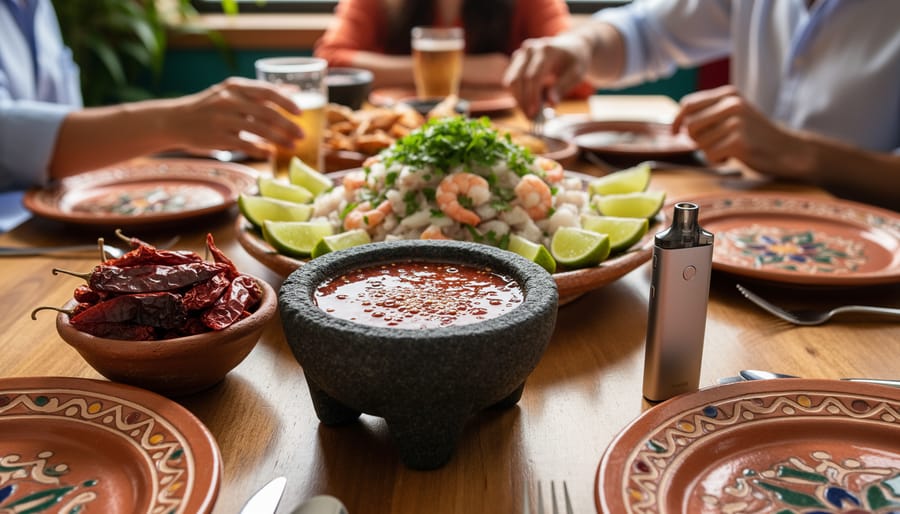
Menu guidelines for vape and food pairings come down to one idea: build the meal so flavors stay distinct and never compete. Start light and bright, move toward richer dishes, and finish with something sweet or smoky that lets the evening land softly. Keep strong aromas apart, give each course its own lane, and let one flavor take the lead at a time.
It works because taste is mostly smell. A squeeze of lime over fresh ceviche, the toasted warmth of a dried chile, the caramel edge of piloncillo: each one sends aromatic signals your nose picks up long before your tongue gets involved. Vapor flavors add their own notes to that picture, and a mismatch muddies everything. Pair them with care, though, and a bite of cochinita pibil, slow-roasted in banana leaves in the Yucatán tradition, can taste deeper, rounder, almost new.
You don’t need a culinary degree to get this right. A few simple principles will help whether you’re hosting friends, planning a long Saturday dinner, or choosing dishes at your favorite table. This guide covers how to structure a menu from first bite to last, course-by-course ideas rooted in Mexican kitchens, the small points of etiquette that keep a shared table comfortable, and answers to the questions people ask most.
What ‘Menu Guidelines’ Really Mean for Vape and Food Pairings
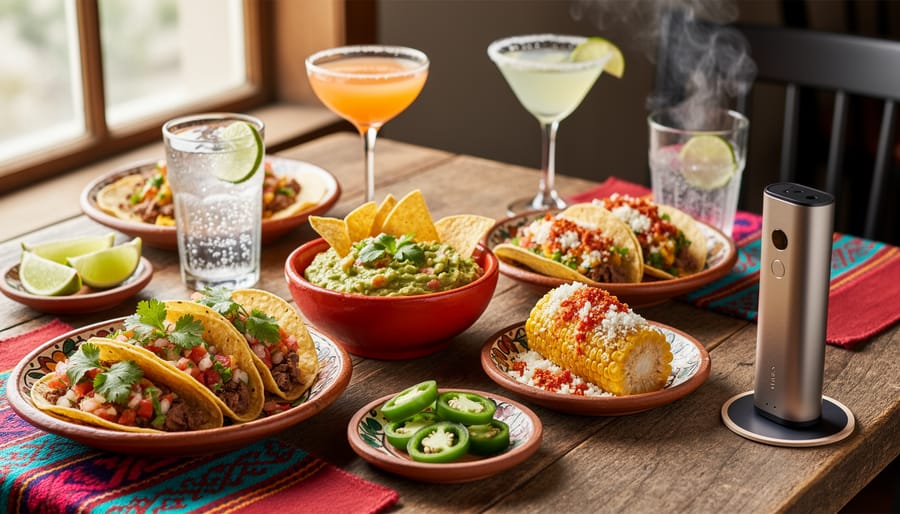
Think of menu guidelines as the quiet house rules behind a good meal. They are a handful of simple principles for organizing, describing, and balancing the dishes and drinks on a menu so that every flavor has room to be noticed. In the context of vape and food pairings, the goal is for the aromas floating above the table to complement what’s on the plate rather than compete with it.
That framing matters. These guidelines are about the sensory experience of dining, how scent, taste, and texture play off one another over the course of an evening. They aren’t about encouraging anyone to partake more, or at all. A guest who never touches a vape still benefits from a menu that is clearly organized, honestly described, and thoughtfully balanced.
Picture how a good Mexican table works. Nobody serves a delicate ceviche and a heavy mole negro in the same breath without thinking about what comes between them. A menu built on guidelines does that thinking for you. It groups dishes by character, such as bright, smoky, rich, or spicy, and describes them in plain, inviting language so a guest can picture the flavor before ordering.
Think of it as hospitality translated into structure. When the menu is easy to read and the flavors are in conversation rather than in competition, everyone at the table, whether they enjoy vapor or simply the food, leaves with a better memory of the meal.
Start With the Senses: How Flavor, Aroma, and Texture Interact
Match Intensity to Intensity
The simplest rule on any menu is also the most useful: let delicate meet delicate, and let bold meet bold.
Picture a plate of ceviche, with fish “cooked” in lime juice, tossed with cilantro and a whisper of chile. It’s bright and fragile, and a heavy, dessert-like vapor flavor would trample it in a single breath. A light, citrusy or herbal note sits beside it without a fight, letting the lime stay in charge.
Now think of mole negro, the dark Oaxacan sauce built from dried chiles, toasted seeds, chocolate, and spice, often simmered for hours. That’s a dish with layers and gravity. A faint, airy flavor would simply vanish against it, while something deeper and warmer can stand shoulder to shoulder with those toasted, smoky notes.
When you write menu notes, flag each dish as light, medium, or bold. Guests then have an easy compass before they ever order.
Complement or Contrast?
Once intensity is sorted, you have two classic moves to choose from: echo or balance.
Echoing means repeating a flavor note so the pairing feels like one continuous thought. Picture a bright, citrusy vapor beside ceviche, where lime and a squeeze of orange already carry the plate. The flavors rhyme, and the whole experience feels fresh and seamless. This works best with lighter dishes, where the shared note adds sparkle rather than getting lost.
Balancing does the opposite. You set a contrasting flavor against the dish so each one shines. Think of a gently sweet, creamy vapor against the slow heat of chiles in a spicy salsa roja, much like the cooling crema we spoon over enchiladas. The sweetness softens the fire without erasing it.
A simple rule of thumb: echo when you want clarity and brightness, balance when a dish is bold, rich, or spicy. Neither is wrong. It comes down to the mood of the meal.
Organizing the Menu So Pairings Feel Effortless
A well-organized menu does half the pairing work before anyone says a word. The simplest approach is to group dishes by flavor profile rather than by protein or price. Think of four familiar families: bright (lime, cilantro, fresh chiles), smoky (charred peppers, grilled meats), rich (slow-braised, creamy, cheesy), and spicy (the ones that make you reach for your glass). When guests can see those families at a glance, they naturally start matching lighter flavors with lighter dishes and bolder flavors with bolder ones.
Descriptions matter as much as groupings. Skip the technical jargon and write the way you’d talk across the table. “Smoky guajillo broth with tender pork” tells a guest far more than a string of culinary terms, and it hints at what will sit well beside it. Mention one or two dominant flavors per dish and let the rest be a pleasant surprise.
Gentle pairing notes are where the menu becomes a friendly guide instead of a rulebook. A short line under a dish, such as “lovely with something citrusy and light,” invites curiosity without pressure. The same thinking applies to the whole table: a pitcher of cool aguas frescas can be noted beside the spicier plates as a refreshing counterpoint, a small touch that helps everyone, whatever else they’re enjoying.
A few habits keep things clear:
– Place the lightest dishes first and the richest last, mirroring how a meal unfolds.
– Use consistent labels so guests learn your system after one glance.
– Keep notes short; one line is plenty.
If your guests are curious about how traditional dishes differ from their cousins north of the border, a brief note on the menu, or a quick conversation about Mexican vs Tex-Mex can help them understand why a dish tastes the way it does. That context turns ordering into storytelling, and storytelling makes pairing feel effortless.
A Tour Through the Menu: Pairing Ideas by Course
Antojitos and Starters
Antojitos are where the evening begins, and they set the tone for everything that follows. The word means “little cravings,” a nod to the street vendors who have fed hungry crowds across Mexico for generations. Think of creamy guacamole with a squeeze of lime, ceviche cured until the fish turns pearly, or elote dusted with chile and cotija.
These bites are bright, fresh, and quick to fade on the palate, so the lighter end of the flavor spectrum suits them best. Soft fruit notes, a hint of citrus, or a cool, airy mint-style profile can echo the lime and cilantro rather than bulldoze them. Save anything dense or heavily sweet for later. A starter should wake up the senses, not overwhelm them, and the same goes for whatever sits beside it.
Hearty Mains
Hearty mains are where Mexican cooking shows its patience. Carnitas spend hours simmering in their own richness until the edges crisp and the center turns tender. Barbacoa, traditionally slow-cooked in earthen pits, carries a deep, smoky sweetness that lingers long after the last bite. Enchiladas, draped in a brick-red chile sauce, bring warmth and a little earthy heat.
These dishes are bold, so the principle from earlier applies: match intensity to intensity. A delicate, airy flavor tends to vanish beside barbacoa’s smoke. Fuller notes, such as warm vanilla, toasted caramel, or roasted nut, have enough body to stand next to a chile-laced sauce without getting lost. If the plate leans spicy, a softer, rounder flavor can calm the heat rather than chase it.
Whatever the dish, let your menu notes point guests toward depth, richness, and balance.
Postres and Sweet Endings
Dessert is where a Mexican meal exhales. Churros arrive hot from the fryer, dusted in cinnamon sugar, their crisp ridges begging to be dragged through chocolate. Flan, silky and trembling under its amber caramel, traces back to Spanish kitchens and found a home in Mexico. Tres leches soaks sponge in three milks until every bite is cool, creamy, and tender.
The guideline here is simple: keep it gentle. After bold salsas and slow-cooked meats, the palate wants softness, so reach for dessert-style notes like vanilla custard, caramel, cream, or a hint of cinnamon. These echo the sweetness on the plate instead of fighting it.
Choose one light flavor and let the dessert lead. Churros, with their warm spice, welcome a soft cinnamon-cream note. Flan’s caramel pairs beautifully with something smooth and mellow. Linger a little, share a plate, and let the evening wind down slowly.
Setting the Table for Everyone: Etiquette and Atmosphere
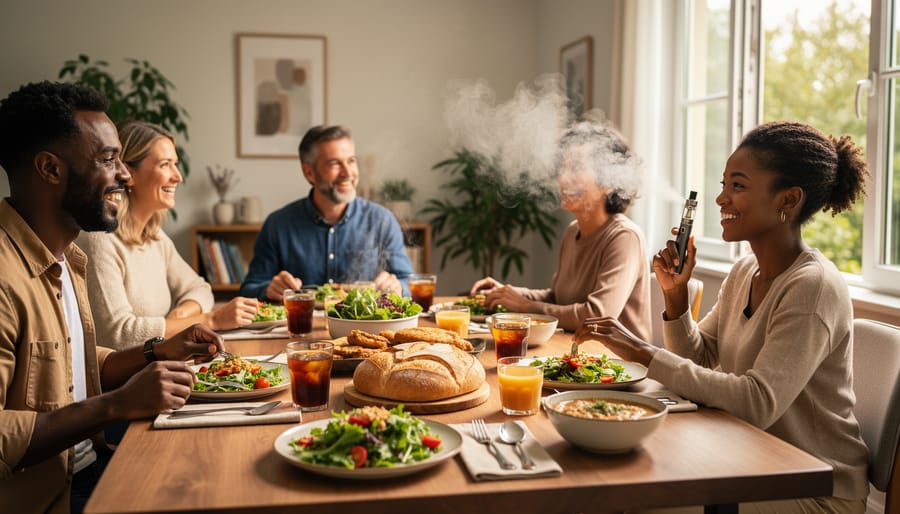
Good hospitality begins before anyone lights up, or even picks up a menu. A table at El Caballito is a shared space, and the warmth of a long, laughter-filled dinner depends on everyone feeling comfortable in it, whether they vape or not.
Start with ventilation and placement. Open-air patios and designated areas give flavored vapor room to drift away from plates, so the aroma of fresh cilantro, charred tortillas, and toasted chiles stays the star for every guest. If a neighboring table is mid-bite into a steaming bowl of pozole, that’s your cue to wait, step aside, or choose a better spot. Follow the venue’s posted rules and your local regulations, because they exist to keep the room pleasant for everyone.
For groups, a simple check-in goes a long way. Ask the table before you begin, and don’t be offended if someone prefers you didn’t. For an intimate dinner, the same courtesy keeps the mood relaxed rather than awkward. Moderation matters too: a few mindful moments between courses will let you taste the food, not drown it out.
Hosts and travelers alike know that rules vary by place. If you’re heading out to dine in an unfamiliar city, a quick read of vape travel guidelines like these helps you arrive prepared and respectful: vape travel guidelines.
Think of etiquette as another kind of seasoning: a little care makes everything taste better.
Common Questions About Vape and Food Pairings
Guests tend to ask the same handful of things once they start thinking about flavor and the table together, so here are friendly, practical answers.
Does vapor change how food tastes?
It can. Aroma and taste work as a team, so a strong vapor flavor may soften the delicate notes of a dish, like fresh lime in a ceviche. Keeping both at a similar intensity helps each one shine.
How do I cleanse my palate between courses?
Sip some water, nibble a little plain tortilla or a slice of cucumber, and give yourself a moment before the next plate arrives. A fresh start lets the smoky chiles of one dish stay distinct from the sweetness of the next.
How do spicy dishes affect flavor perception?
Heat can dull the subtler layers of both food and vapor, so a lively salsa roja may overpower something gentle. When the menu runs spicy, choose bolder or sweeter notes that can stand beside it.
Is it appropriate at group dinners?
Only when the venue allows it and everyone at the table is comfortable. Follow local rules and house policies, use designated areas, and step away from shared plates so the meal stays welcoming for all.
Think of these answers as starting points rather than strict rules. Every palate is a little different, and part of the fun of a long Mexican meal is noticing what works for you, one course at a time.
At its heart, a thoughtful menu comes down to three simple ideas. Keep things in balance, so no single flavor shouts over the rest. Match intensity to intensity, letting delicate dishes and delicate notes share a quiet moment while bold, smoky plates meet equally confident companions. And lead with hospitality, because a table where everyone feels comfortable is always the best seasoning.
These principles aren’t rules to memorize. They’re habits of curiosity, the same ones that have shaped Mexican kitchens for generations, where a squeeze of lime, a pinch of salt, or a toasted chile can change an entire dish. That spirit of generous, lively sharing is what you’ll find at El Caballito, where every plate arrives with a story and every meal is meant to be savored slowly.
So gather your friends, bring your appetite and your sense of adventure, and reserve a table with us. Explore the menu with an open mind, notice what delights you, and let the flavors lead the way. We’ll save you a seat.