
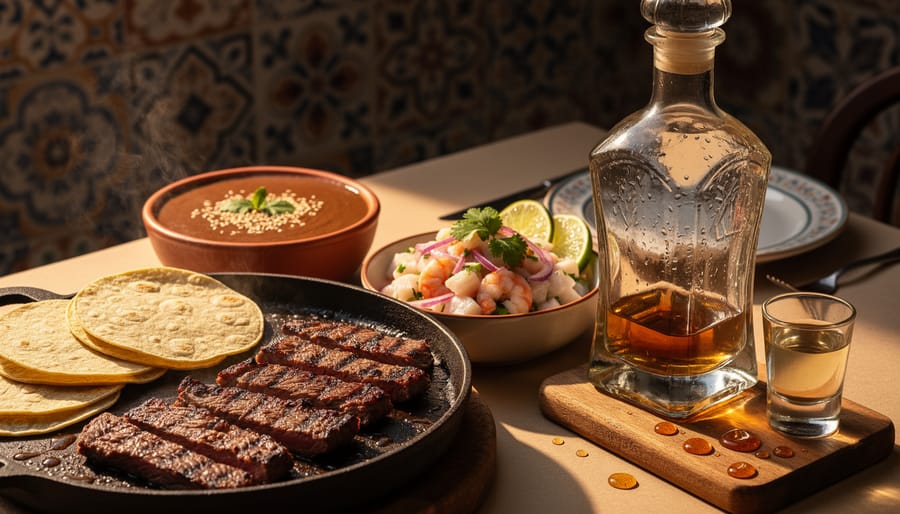
La Tequila Cocina de México on Avenida México is a restaurant concept that celebrates tequila as a culinary ingredient, not just a spirit to sip, weaving Mexico’s most iconic agave distillate into marinades, sauces, and finishing touches that unlock layers of flavor in traditional dishes.
For food lovers exploring the intersection of craft spirits and regional cooking, this approach reveals something essential: tequila’s earthy, sweet, and sometimes smoky notes can transform a mole, tenderize carne asada, or brighten a citrus-based ceviche in ways that simple lime or vinegar cannot. The restaurant takes its name seriously, treating tequila as a foundational pantry staple rather than an afterthought.
The magic lies in how heat and acid interact with tequila’s complex profile. When flambéed tableside over camarones al tequila, the alcohol burns off, leaving behind caramelized agave sugars and herbal undertones from the spirit’s highland or lowland terroir. In a slow-braised barbacoa, a splash of añejo contributes oak and vanilla warmth, deepening the richness of the meat without overpowering the guajillo chiles or cinnamon.
This article unpacks how tequila functions in Mexican cooking, the types of dishes that benefit most from its addition, and what to expect when dining at a destination dedicated to this philosophy. You’ll learn which expressions work best in which preparations and why this centuries-old spirit deserves a place beside your olive oil and sea salt.
What La Tequila Cocina de México Represents
La Tequila Cocina de México represents a dual identity in today’s Mexican culinary landscape. At its most immediate, it’s a vibrant dining destination on Avenida México where the ceremonial spirit of tequila meets the sizzle of the comal. But it’s also something deeper: a culinary philosophy that reclaims tequila from its bar-shelf reputation and restores it to its rightful place as a transformative cooking ingredient.
This approach isn’t a modern invention. For generations, Mexican home cooks and cantina chefs have known what the rest of the world is just discovering, that tequila belongs in the kitchen as much as in the glass. The agave plant, from which tequila is born, has nourished Mexican communities for thousands of years. Using its distilled essence in cooking honors that ancient relationship while creating flavor profiles you simply can’t achieve any other way.
- La Tequila Cocina
- A culinary concept celebrating tequila as a primary cooking ingredient rather than merely a beverage, rooted in traditional Mexican gastronomy.
- Agave Spirits in Cooking
- The practice of using tequila, mezcal, and other agave-based spirits to enhance flavors, tenderize proteins, and add earthy complexity to dishes.
- Cocina Tradicional
- Traditional Mexican cooking methods passed down through generations, emphasizing fresh ingredients, authentic techniques, and regional variations.
- Degustación de Tequila
- A tequila tasting experience that explores different varieties and production styles, often paired with complementary dishes to highlight the spirit’s culinary potential.
What makes this philosophy authentic is its refusal to treat tequila as a gimmick. You won’t find dishes drowning in alcohol or relying on shock value. Instead, the spirit works behind the scenes, softening the sharp edges of chiles, coaxing sweetness from tomatoes, creating caramelized crusts on grilled meats that taste like they’ve absorbed centuries of Mexican sun.
How Tequila Works in Mexican Cooking
The Flavor Chemistry of Agave Spirits
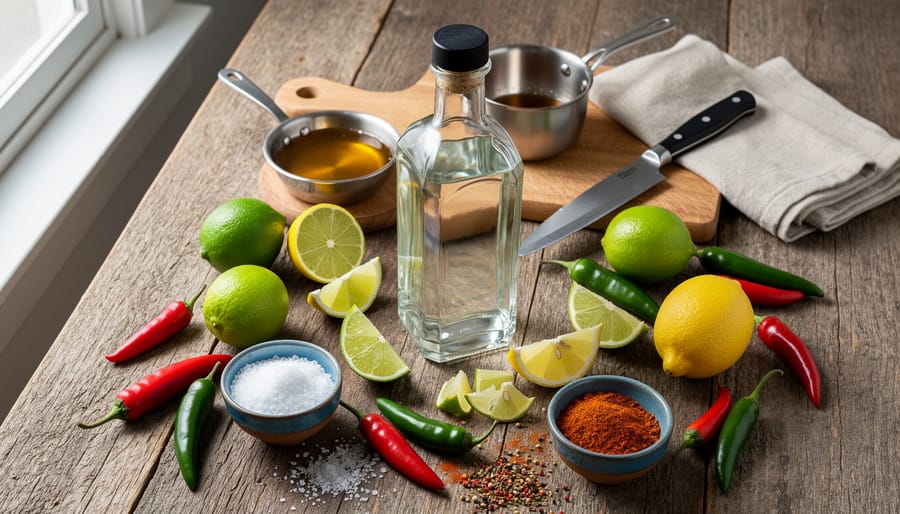
When tequila meets heat in the kitchen, something remarkable happens at the molecular level. The spirit’s natural fructose caramelizes, creating deeper, richer flavors that balance beautifully against savory elements. Those distinctive earthy, herbal notes from the agave plant, think green pepper, fresh grass, and mineral undertones, become more pronounced and complex as the alcohol evaporates, leaving behind concentrated essence.
The alcohol itself serves as a flavor solvent, extracting and amplifying compounds that water or oil alone can’t reach. When you splash tequila over sizzling shrimp or into a chile-tomato sauce, it pulls out capsaicin’s heat and the fruit’s acidity, melding them into something greater than the sum of their parts. With meats, the alcohol acts as a tenderizer, breaking down proteins while the agave sugars form a subtle glaze during cooking.
Citrus and tequila share a natural affinity, the lime’s acidity brightens the spirit’s sweetness, while tequila’s vegetal notes anchor citrus’s brightness, preventing dishes from tasting one-dimensional or overly tart. This interplay creates layers of flavor that develop and shift as you eat.
From Bottle to Plate: The Cooking Process
When tequila meets heat, timing becomes everything. Pour it into a hot pan after searing shrimp or chicken, and it instantly releases aromatic compounds that cling to the protein, this deglazing technique captures caramelized bits from the pan bottom while the alcohol evaporates, leaving concentrated agave sweetness behind.
Flambéing takes this further. Igniting tequila blanco creates a brief, dramatic flame that burns off harsh alcohol notes while creating a subtle char that deepens the dish’s complexity. The key is adding just enough to the pan when it’s very hot, stepping back, and letting the flame die naturally, usually five to eight seconds.
For marinades, tequila works differently. Its acidity and alcohol gently break down meat fibers over two to four hours, but longer risks a mushy texture. Combine it with lime, garlic, and chilies for maximum effect.
Reduction transforms tequila into sauce. Simmer it slowly with stock or cream until it thickens by half, concentrating those earthy, peppery notes into something rich enough to coat the back of a spoon. The alcohol burns away, but the essence of agave remains.
Types of Tequila Used in Mexican Cuisine
Not every tequila suits every dish. The spirit’s age and barrel contact shape its flavor profile, and Mexican cooks have long understood which variety amplifies a recipe’s character without overwhelming it.
Blanco, or silver tequila, is the purest expression of blue agave, bottled immediately after distillation or aged no more than two months. Its bright, vegetal notes and peppery finish make it the workhorse of Mexican kitchens. Cooks reach for blanco when they want clean agave flavor that won’t compete with delicate ingredients like shrimp, white fish, or fresh citrus. It’s the go-to for ceviches, marinades, and quick pan sauces where you need a sharp, grassy punch that evaporates cleanly under heat. In coastal regions like Nayarit and Sinaloa, blanco tequila appears in seafood preparations almost as a reflex, splash it into a skillet of garlic and butter, toss in prawns, and you’ve got a dish that tastes unmistakably of the Pacific shore.
Reposado tequila rests in oak barrels for two to twelve months, picking up vanilla, caramel, and subtle spice notes that add warmth and depth. This middle child of the tequila family excels in dishes with richer proteins, pork, chicken, duck, where its rounded character can stand up to bolder seasonings. In central Mexico, reposado often shows up in mole variations and braised meats, lending a mellow sweetness that bridges the gap between raw agave and full oak influence. It’s versatile enough to work in both savory reductions and dessert sauces, a quality that makes it the most forgiving choice for home cooks experimenting with tequila in the kitchen.
Añejo and extra-añejo tequilas, aged one to three years and beyond, carry pronounced oak, tobacco, and dried-fruit flavors that mirror fine brandy or whiskey. These aren’t everyday cooking spirits, their complexity and cost make them better suited to sipping, but in special preparations, they’re transformative. A splash of añejo in a chocolate mole or a caramelized glaze for short ribs introduces layers of flavor you can’t get from younger spirits. Some chefs in Jalisco and Michoacán treat añejo tequila the way French cooks use Cognac, reserving it for finishing touches and elegant flourishes rather than everyday deglazing.
Regional preferences tell their own story. While tequila dominates in Jalisco and the west, Oaxaca and mezcal traditions run parallel, reminding us that agave spirits take many forms across Mexico’s culinary landscape.
Signature Dishes and Applications
Savory Preparations
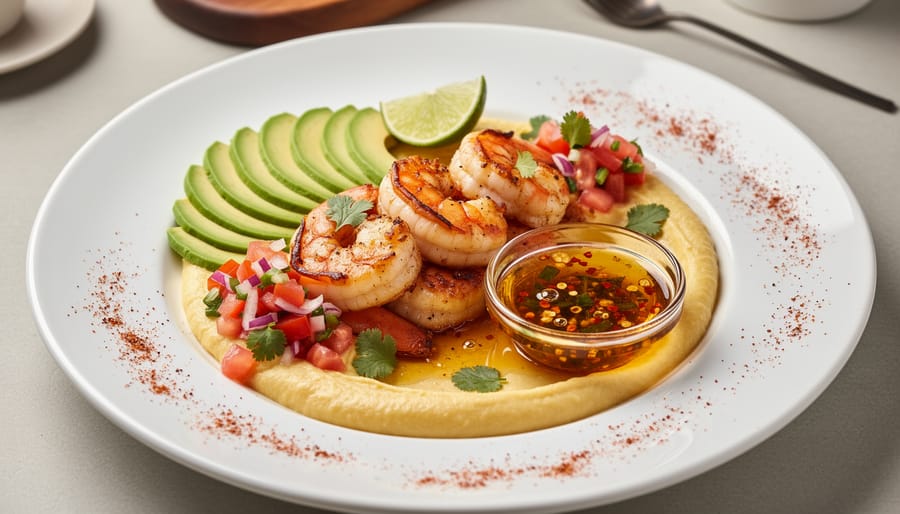
Walk into any coastal cantina in Jalisco, and you’ll likely encounter camarones al tequila, plump shrimp sizzling in a pan with butter, garlic, and a generous splash of blanco tequila that flames briefly before mellowing into a sauce brightened with lime. The tequila cuts through the richness while amplifying the sweetness of the shrimp, creating a dish that tastes simultaneously indulgent and refreshing. This preparation dates back generations, born from fishing communities that had access to both fresh catch and locally distilled agave spirits.
Poultry takes on new dimension when marinated in tequila mixed with citrus and chipotle. The alcohol penetrates the meat fibers, carrying smoky heat deep inside while tenderizing as it works. When grilled, the sugars caramelize into a lacquered exterior that crackles against your teeth. Similar techniques appear in carne asada preparations across northern Mexico, where reposado tequila marinades, mellowed by oak aging, add subtle vanilla notes that complement charred beef.
Contemporary chefs have embraced these foundations while pushing boundaries. Tequila-braised short ribs appear on modern menus, the spirit deglazing fond and mingling with tomatoes and dried chiles during hours of slow cooking. The result is fall-apart tender meat bathed in a complex sauce where you taste the tequila not as alcohol, but as an earthy backbone supporting layers of chile and spice.
Sweet Creations and Desserts
Tequila transforms traditional Mexican desserts from comforting to extraordinary. The spirit’s subtle agave sweetness and earthy undertones create unexpected sophistication in final courses, adding dimension without overwhelming delicate flavors.
Flan becomes particularly elegant when infused with añejo tequila. The aged spirit’s vanilla and caramel notes mirror the custard’s richness while introducing a whisper of complexity that lingers after each spoonful. Skilled cooks reduce the tequila with piloncillo sugar before incorporating it into the custard base, concentrating the agave essence and eliminating harsh alcohol notes.
Chocolate-based desserts benefit from tequila’s ability to amplify cocoa’s natural depth. A splash of reposado in chocolate mousse or pot de crème heightens the chocolate’s intensity, much like espresso does, while contributing subtle oak and spice notes. Traditional abuelita chocolate paired with blanco tequila creates an adult twist on champurrado that balances nostalgic warmth with modern refinement.
Tequila sorbets offer refreshing palate cleansers between courses. Blended with fresh lime, mango, or prickly pear, the spirit prevents ice crystals from forming too large while contributing bright agave notes that complement fruit’s natural sugars. The alcohol content keeps the texture silky smooth, creating a sophisticated intermezzo that prepares diners for subsequent courses.
The key lies in restraint. Tequila should whisper rather than shout in desserts, enhancing rather than dominating the primary flavors.
The La Tequila Cocina Experience on Av. México
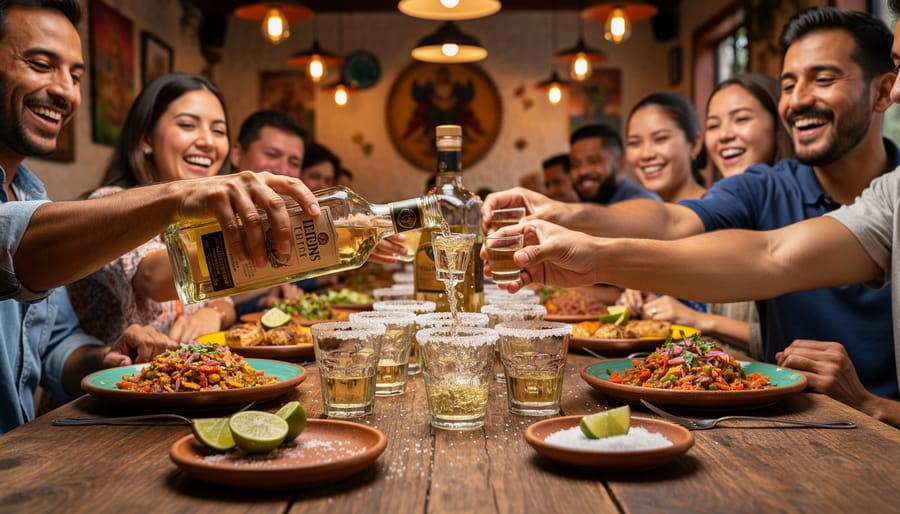
Stepping into La Tequila Cocina de México on Av. México feels like entering a celebration that never stops. The space hums with energy, vibrant murals depicting agave fields sprawl across brick walls, handcrafted clay pottery dots wooden shelves, and the scent of charred chiles and caramelized spirits drifts from the open kitchen. This isn’t a sterile museum of Mexican cooking; it’s a living, breathing testament to how tequila shapes the soul of a meal.
The menu follows a simple philosophy: showcase tequila in every course without overwhelming the palate. Starters might include octopus flambéed tableside with reposado, the flames dancing before settling into tender, smoky bites. Mains range from duck breast glazed with añejo reduction to pescado al tequila verde, where white fish swims in a sauce of tomatillos, cilantro, and blanco that’s been reduced to silky perfection. Even the beverage program reflects this dedication, with house-made aguas frescas cans infused with subtle agave notes for those seeking lighter refreshment between courses.
What sets the 2026 experience apart is how seamlessly tradition meets innovation. You’ll find abuela’s mole recipe standing proudly beside a deconstructed version that plays with textures and tequila-soaked dried fruits. The servers don’t just recite dishes, they tell stories about regional cooking methods and the specific terroir of the tequilas featured that evening. It’s dining as cultural immersion, where every plate reinforces tequila’s rightful place as a cornerstone of Mexican gastronomy rather than an afterthought.
Common Questions About Cooking with Tequila
Cooking with tequila raises some natural questions, especially if you’re new to working with spirits in the kitchen. Understanding the basics helps you make the most of this distinctive ingredient.
Does the alcohol actually cook off when I use tequila in dishes?
The alcohol content reduces significantly during cooking but doesn’t completely disappear. After 15 minutes of simmering, roughly 40% remains, while longer cooking times (two hours or more) remove most of the alcohol, leaving primarily the flavor compounds and agave essence behind.
Can I substitute mezcal for tequila in recipes?
You can, but expect a smokier, earthier profile that works beautifully with robust dishes like moles and braised meats. Mezcal’s intensity can overpower delicate seafood preparations, so save it for recipes that can handle its bold character.
Which dishes work best for beginners experimenting with tequila?
Start with shrimp dishes, chicken marinades, or simple pan sauces where tequila deglazes the fond. These preparations are forgiving and let you taste how the spirit transforms without complex techniques that might overwhelm a first attempt.
How much tequila should I use in a recipe?
A good rule is two to four tablespoons per pound of protein or four servings of sauce. You want the agave notes to complement the dish, not dominate it, less is genuinely more until you develop a feel for the balance.
When choosing your tequila, blanco works for most home cooking because its clean profile lets other ingredients shine. Save the pricier añejos for sipping or very specific applications where those oak and vanilla notes matter. And while some people wonder about health benefits of tequila or concerns like tequila and blood pressure remember that cooking concentrates flavors while reducing volume, so the amounts used in culinary preparations differ substantially from drinking quantities. The real benefit lies in how this spirit unlocks flavors you can’t achieve any other way.
Tequila isn’t just a spirit that defines celebration in Mexican culture, it’s a living ingredient that carries centuries of culinary wisdom from agave fields to kitchen flames. When you understand how it tenderizes carne, brightens salsa verde, or balances the richness of mole, you’re connecting with techniques refined across generations of Mexican cooks who recognized agave’s transformative power long before cocktail culture caught on.
Whether you’re deglazing a pan at home with a splash of blanco or savoring camarones al tequila prepared by skilled hands on Av. México, you’re participating in an edible tradition that honors both the land and the craft. La Tequila Cocina de México exists because this cooking philosophy deserves a dedicated stage, a place where every dish tells the story of what happens when respect for ingredients meets fearless creativity.
The real magic unfolds when you stop thinking of tequila as something separate from the meal and start treating it as the foundational flavor it’s always been. That shift in perspective changes everything you taste.