
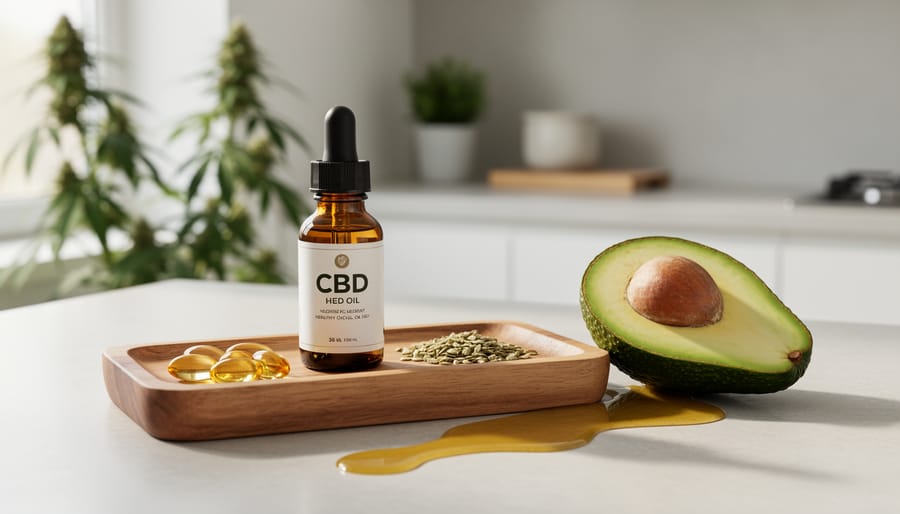
A CBD dietary supplement is a wellness product containing cannabidiol, a non-intoxicating compound derived from hemp plants, formulated to support various aspects of health through the body’s endocannabinoid system. Unlike marijuana, these supplements contain minimal THC (the psychoactive component), making them legal across most of the United States and focused purely on potential therapeutic benefits rather than recreational effects.
The growing interest in CBD supplements reflects a broader cultural shift toward plant-based wellness solutions that honor traditional remedies while embracing modern science. Much like the way Mexican healing traditions have long celebrated herbal tinctures and botanical preparations passed down through generations, CBD represents a return to nature’s pharmacy. These supplements come in multiple forms, from oils and capsules to gummies and powders, each designed to deliver cannabidiol in ways that fit different lifestyles and preferences.
What makes CBD particularly intriguing for those who appreciate the intersection of food and wellness is how it interacts with your body’s own regulatory systems. The compound works by supporting the endocannabinoid system, a network of receptors throughout your body that helps maintain balance in everything from sleep cycles to inflammatory responses. Think of it as a conductor helping your body’s orchestra play in harmony.
For diners and food enthusiasts, understanding CBD dietary supplements opens fascinating possibilities. The bioavailability of CBD can actually be enhanced when consumed with healthy fats, making it a natural companion to meals rich in avocado, nuts, or quality oils. This article will walk you through exactly what these supplements are, how they function in your body, the different types available in 2026, and practical ways to incorporate them into your daily routine with confidence and clarity.
Understanding CBD Dietary Supplements
CBD dietary supplements are products containing cannabidiol (CBD) extracted from hemp plants and formulated for oral consumption as part of a daily wellness routine. Unlike topical creams or vaping products, these supplements are designed to be swallowed and absorbed through the digestive system, delivering CBD throughout the body via the bloodstream.
The legal landscape for CBD dietary supplements shifted significantly following the 2018 Farm Bill, which legalized hemp cultivation and hemp-derived products containing less than 0.3% THC at the federal level. However, the regulatory picture remains complex. The FDA maintains FDA authority over hemp products and has not approved CBD as a dietary supplement ingredient, creating a gray area where products are widely available but technically exist in regulatory limbo. As of 2026, most states permit the sale of hemp-derived CBD supplements, though enforcement and specific regulations vary by jurisdiction.
What distinguishes CBD dietary supplements from medications is their classification and intended use. Pharmaceutical CBD products, like prescription medications, undergo rigorous clinical trials and FDA approval for treating specific medical conditions. Dietary supplements, by contrast, aren’t evaluated by the FDA for safety or effectiveness before reaching the market, and manufacturers can’t make disease treatment claims. CBD dietary supplements are marketed for general wellness support rather than medical intervention.
Understanding the terminology helps navigate product options:
- CBD Isolate
- Pure cannabidiol with all other plant compounds removed, containing 99% CBD and no other cannabinoids, terpenes, or flavonoids.
- Full-Spectrum
- Contains CBD along with all naturally occurring compounds from the hemp plant, including trace amounts of THC (under 0.3%), terpenes, and other cannabinoids that may work together synergistically.
- Broad-Spectrum
- Similar to full-spectrum but with THC completely removed, offering multiple cannabinoids and terpenes without any THC content.
- Bioavailability
- The proportion of CBD that enters the bloodstream and becomes available for the body to use, which varies significantly depending on the supplement form and consumption method.
- Hemp-Derived
- CBD extracted from industrial hemp plants rather than marijuana, containing minimal THC and meeting federal legal requirements for cultivation and sale.
Most CBD dietary supplements come from industrial hemp grown specifically for cannabinoid extraction. The hemp plant is processed to isolate CBD, which is then combined with carrier oils, other ingredients, or encapsulated for convenient consumption. This sourcing is what keeps these products within legal boundaries while delivering the cannabinoid that users seek for their wellness practices.
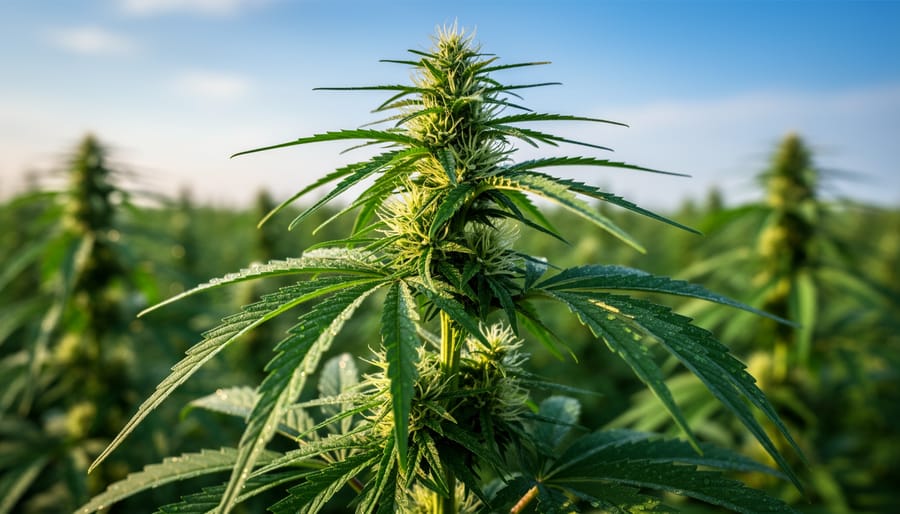
How CBD Dietary Supplements Work
Your body has a built-in regulatory system called the endocannabinoid system, or ECS, that helps maintain balance across dozens of functions, from sleep and mood to immune response and appetite. When you take a CBD dietary supplement, you’re introducing a plant compound that interacts with this system in subtle but meaningful ways. Unlike THC, CBD doesn’t create a high because it doesn’t directly bind to the main cannabinoid receptors in your brain. Instead, it works more like a supporting actor, influencing how your body uses its own naturally produced cannabinoids and affecting various receptor systems beyond just the ECS.
The journey of a CBD supplement through your body depends on how you take it. When you place oil drops under your tongue, tiny blood vessels absorb the CBD directly into your bloodstream within 15 to 30 minutes. This bypasses your digestive system entirely, which is why tinctures often feel faster-acting. Capsules and edibles, on the other hand, must pass through your stomach and liver first, a process that takes longer and reduces the amount of CBD that ultimately reaches your bloodstream. This is where food matters: because CBD is fat-soluble, taking it alongside a meal with healthy fats can double or even triple absorption compared to taking it on an empty stomach.
Research on CBD and cannabinoid receptors shows that the compound influences multiple pathways in the body, not just one target. It appears to slow the breakdown of anandamide, one of your body’s own cannabinoids sometimes called the “bliss molecule.” It also interacts with serotonin receptors, which may explain why some people find it calming, and it affects receptors involved in inflammation and pain signaling.
Several factors determine how well CBD works for you personally. Body weight, metabolism, the quality of the product, and whether you’ve eaten recently all play a role. Someone with a faster metabolism may process CBD more quickly, while another person might find the effects last longer. This variability is why finding the right approach often involves some experimentation, starting with a modest amount and adjusting based on how your body responds over time.
Types and Forms of CBD Dietary Supplements
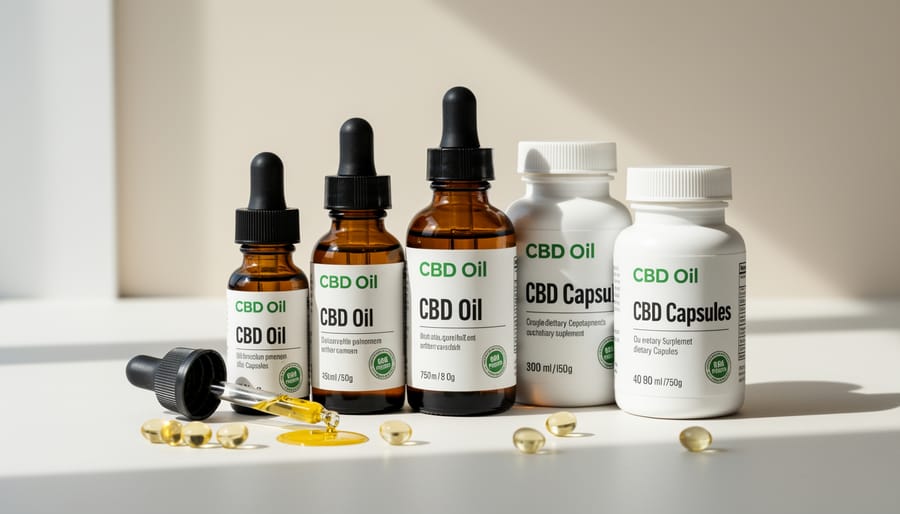
CBD Oils and Tinctures
CBD oils and tinctures represent the most versatile form of CBD dietary supplements, packaged in small bottles with dropper caps that let you measure doses with precision. You’ll place drops under your tongue, hold them there for 30 to 60 seconds, then swallow, this sublingual method allows CBD to absorb through the mucous membranes directly into your bloodstream, bypassing the digestive system for faster effects.
The real advantage here is control. Start with a few drops, observe how you feel over several days, then adjust up or down as needed. Most bottles clearly mark dosage on the dropper, and you can easily add CBD oil to beverages or drizzle it over food if you prefer not to take it straight. This flexibility makes oils and tinctures popular among those who want to tailor their CBD experience to their daily routine, whether that’s a morning wellness ritual or an evening wind-down alongside a favorite meal.
Capsules and Softgels
CBD capsules and softgels deliver precisely measured doses in familiar pill form, typically ranging from 10mg to 50mg per capsule. This pre-measured format eliminates guesswork and makes daily routines straightforward, especially for people who prefer not to measure drops or taste hemp extracts.
Softgels use gelatin or plant-based shells filled with CBD oil, which can improve absorption compared to pressed tablets. Capsules offer portability that fits discreetly into gym bags, briefcases, or travel kits. You take them with water like any other supplement, ideally alongside a meal containing healthy fats to support absorption. The consistency appeals to those building structured wellness habits, each morning’s capsule contains exactly what yesterday’s did, creating predictable patterns that complement other daily rituals.
CBD-Infused Edibles and Beverages
CBD-infused edibles and beverages represent the most culturally integrated form of CBD dietary supplements, transforming cannabinoid wellness into a shared culinary experience. These products range from gummies and chocolates to infused sparkling waters, teas, and even craft sodas.
The appeal extends beyond convenience. Edibles and beverages align with how we naturally build community around food and drink, they fit seamlessly into social settings, celebrations, and daily rituals. A CBD-infused agua fresca at lunch or a chocolate square after dinner doesn’t feel like taking a supplement; it feels like indulging in something you genuinely enjoy.
However, absorption with edibles differs significantly from oils. CBD must pass through the digestive system, which delays onset (typically 45 to 90 minutes) and reduces overall bioavailability compared to sublingual methods. The fat content in products like chocolate helps somewhat, but expect roughly 6 to 15 percent of the CBD to actually reach your bloodstream.
The trade-off is duration. What edibles sacrifice in speed and efficiency, they gain in longevity, effects can last four to six hours, making them ideal for sustained wellness goals throughout the day. Plus, there’s something genuinely delightful about incorporating wellness into the foods and drinks you already love, especially when shared with others around a table.
Common Uses and Benefits
People reach for CBD dietary supplements for a wide spectrum of reasons, and the wellness community in 2026 has woven them into daily life in ways both practical and deeply personal. Some incorporate CBD into their morning ritual alongside coffee and breakfast, viewing it as a gentle start to the day’s demands. Others prefer evening use, making it part of their wind-down routine after work or before settling into dinner with friends and family.
The motivations vary as much as the people themselves. Many users describe seeking a general sense of balance, a way to take the edge off daily pressures without feeling sedated or altered. It’s about creating space for calm in otherwise hectic schedules. Athletes and fitness enthusiasts often add CBD to their post-workout recovery routine, pairing it with protein shakes or smoothies as part of their broader wellness approach. Meanwhile, creative professionals and students sometimes incorporate it during focused work sessions, finding it helps them settle into sustained concentration.
Common reasons people integrate CBD supplements into their routines include:
- Supporting a sense of calm during stressful periods at work or home
- Complementing post-exercise recovery and active lifestyle habits
- Establishing consistent wellness rituals around sleep preparation
- Enhancing mindfulness practices like meditation or yoga
- Managing everyday physical discomfort from long hours sitting or standing
- Creating moments of intentional self-care within busy schedules
What makes CBD supplements particularly appealing is their flexibility within social and cultural contexts. Unlike substances that require isolation or create noticeable effects, CBD fits seamlessly into shared meals, conversations over drinks, and the vibrant atmosphere of dining experiences. Friends gathering at restaurants might discuss their wellness routines over appetizers, comparing notes on how they’ve incorporated CBD into their morning smoothie or evening tea. This social acceptance has helped normalize CBD as part of a broader conversation about taking care of oneself, not a fringe practice but an accessible wellness choice that complements rather than disrupts daily life and cultural traditions around food, community, and celebration.
Dietary Synergies: Pairing CBD with Food and Drink
Foods That Enhance CBD Absorption
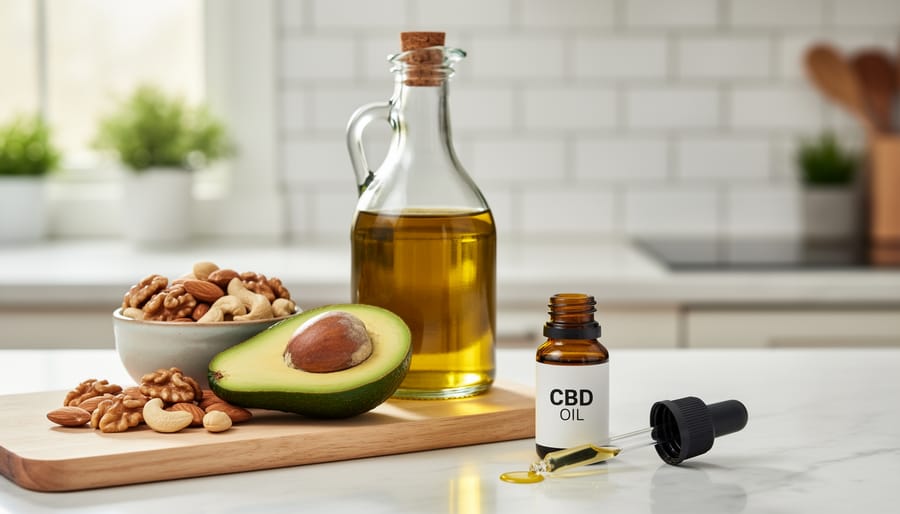
CBD is fat-soluble, which means your body absorbs it more effectively when you consume it alongside foods containing healthy fats. Think of it as giving the cannabidiol molecules something to bind to, helping them travel through your digestive system and into your bloodstream more efficiently.
Avocados stand out as particularly excellent companions for CBD supplements. Rich in monounsaturated fats, they create an ideal environment for CBD absorption while offering their own wellness benefits. In Mexican culinary tradition, avocados appear everywhere, from guacamole to sliced garnishes, making them a natural partner for anyone incorporating CBD into their routine.
Nuts and seeds deliver similar advantages. Almonds, walnuts, pepitas (pumpkin seeds), and pine nuts contain beneficial fats that support CBD uptake. A handful of these alongside your supplement, or incorporated into a meal, enhances bioavailability considerably.
Quality cooking oils deserve attention too. Extra virgin olive oil, coconut oil, and even traditional Mexican options like avocado oil provide the lipid content needed for optimal absorption. Drizzling these over vegetables or using them in cooking transforms any meal into a more CBD-friendly experience.
The beauty lies in how naturally these ingredients fit into everyday eating. You’re not creating complicated protocols, you’re simply choosing foods that work synergistically with your wellness routine while enjoying flavors rooted in vibrant culinary heritage.
Beverage Pairings and CBD
Taking CBD with beverages can be more than just a delivery method, it’s an opportunity to enhance absorption and create a more enjoyable wellness ritual. The key lies in understanding how different drinks interact with this fat-soluble compound.
Beverages containing healthy fats naturally support CBD absorption. A golden turmeric latte made with full-fat coconut milk or whole dairy not only tastes warming and comforting but also helps your body utilize the CBD more effectively. The anti-inflammatory properties of turmeric complement CBD’s own wellness profile, creating a synergistic effect that many find particularly soothing.
Traditional Mexican agua frescas offer refreshing pairing possibilities. A creamy horchata, made with rice milk and cinnamon, provides gentle fat content while delivering familiar, comforting flavors. Jamaica (hibiscus) tea brings tart brightness and antioxidants, though you’ll want to take your CBD with a small snack containing fats for optimal absorption. Tamarind agua fresca offers tangy complexity that pairs beautifully with CBD’s earthy notes.
Herbal teas create calming moments for CBD consumption. Chamomile, mint, or lavender teas align with relaxation goals, though adding a splash of milk or taking CBD alongside a few nuts ensures better uptake. The ritual of preparing tea and mindfully sipping transforms supplementation into self-care.
The Dining Experience with CBD
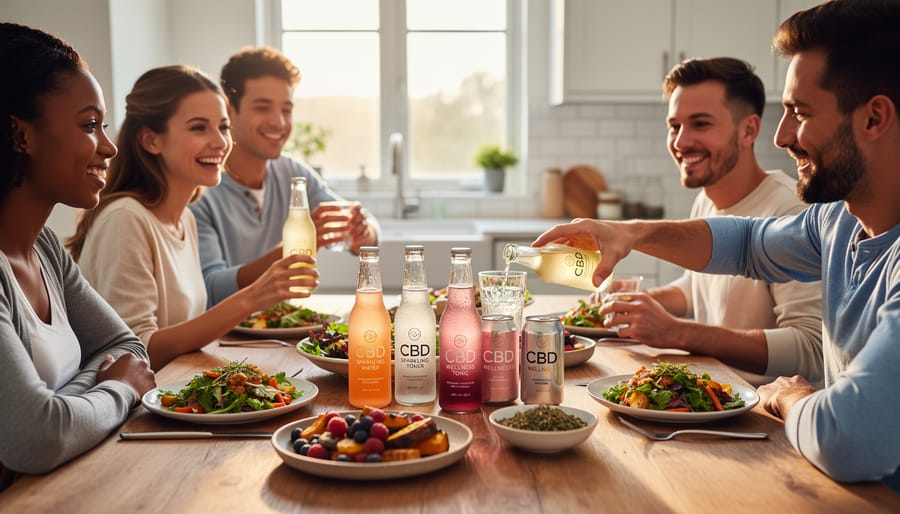
In Mexican culture, meals are never just about food, they’re about connection, celebration, and the art of taking time. Adding CBD to this ritual transforms wellness from a solitary act into something shared and joyful. Picture a leisurely weekend brunch where guests arrive relaxed, having taken their CBD oil an hour before, ready to savor every course without the usual rush of modern life.
The practice pairs beautifully with the unhurried pace of traditional Mexican dining, where courses unfold slowly and conversation flows freely. Some diners find that taking CBD before a meal enhances their presence at the table, allowing them to fully appreciate the complexity of mole poblano or the brightness of fresh ceviche. It’s not about seeking an effect during the meal itself, but rather creating a foundation of calm that lets you sink into the experience, the laughter, the stories, the clinking of glasses, without distraction. This approach honors both the wellness journey and the timeless tradition of gathering around good food.
What to Consider When Choosing CBD Supplements
Navigating the CBD supplement market requires attention to several quality indicators that separate reliable products from questionable ones. The wellness supplement space has expanded rapidly, and not all manufacturers maintain the same standards, so knowing what to look for protects both your investment and your well-being.
Third-party testing stands as the most critical factor. Reputable CBD supplement brands send their products to independent laboratories for analysis, verifying cannabinoid content and screening for contaminants like heavy metals, pesticides, and residual solvents. Look for a certificate of analysis (COA) with a scannable QR code or accessible through the manufacturer’s website. These documents should be recent, match the specific batch you’re purchasing, and come from an accredited lab you can verify.
The label itself tells much of the story. Quality supplements clearly state the total CBD content per serving and per container, specify whether the product contains full-spectrum CBD, broad-spectrum CBD, or CBD isolate, and list all ingredients transparently. Be wary of vague terms or labels that emphasize hemp seed oil without clarifying actual CBD content, as these may contain little to no cannabidiol.
- Third-party lab testing with accessible certificates of analysis
- Clear potency labeling showing CBD content per serving
- Complete ingredient transparency with recognizable components
- Sourcing information indicating organically grown hemp
- Extraction method disclosure, preferably CO2 extraction
Consider your personal needs when evaluating products. Someone new to CBD supplements typically benefits from lower potencies to assess individual response, while those with established routines may seek higher concentrations. The delivery method matters too, tinctures offer flexibility in dosing, capsules provide consistency, and edibles integrate seamlessly into daily meals. Think about how the supplement fits your lifestyle, whether you prefer taking it with your morning coffee, incorporating it into evening dining rituals, or keeping it simple with a pre-measured capsule.
Price often reflects quality, but the most expensive option isn’t automatically the best. Calculate the cost per milligram of CBD to compare value across products, and research the brand’s reputation through independent reviews and community feedback rather than relying solely on testimonials featured on their own website.
Frequently Asked Questions
CBD dietary supplements raise plenty of questions, especially for those new to cannabinoid wellness. While individual experiences vary and specific effects depend on factors like product quality and personal physiology, understanding the basics helps you make informed decisions about incorporating CBD into your routine.
Is it safe to take CBD dietary supplements daily?
For most adults, daily CBD supplementation is considered safe when used at appropriate amounts. However, it’s wise to start with lower amounts and pay attention to how your body responds, especially if you take medications or have underlying health conditions.
Are CBD dietary supplements legal?
In the United States, CBD derived from hemp containing less than 0.3% THC is federally legal as of 2026. State laws vary, so check your local regulations, and always purchase from reputable sources that provide third-party lab results.
Should I take CBD with food or on an empty stomach?
CBD absorbs more effectively when taken with foods containing healthy fats, since cannabidiol is fat-soluble. Taking it with a meal that includes avocado, nuts, or quality oils can enhance bioavailability by up to five times compared to taking it without food.
How long does it take for CBD supplements to work?
Timing varies by product type. Oils and tinctures taken sublingually typically begin working within 15 to 45 minutes, while capsules and edibles take longer, usually one to two hours, because they must pass through your digestive system first.
Can I drink alcohol while taking CBD supplements?
While research is limited, combining CBD with alcohol may amplify relaxation effects. Many people prefer to enjoy CBD separately from alcohol as part of wellness-focused routines, pairing it instead with non-alcoholic beverages like herbal teas or fresh agua frescas.
Will CBD dietary supplements show up on a drug test?
Pure CBD itself shouldn’t trigger a positive result, but some full-spectrum products contain trace amounts of THC that could potentially register on sensitive tests. If drug testing is a concern, choose broad-spectrum or CBD isolate products with zero THC.
The journey with CBD supplements becomes clearer once you address these foundational questions. What works beautifully for one person might need adjustment for another, which is why starting thoughtfully and paying attention to your individual response matters more than following rigid rules. Think of it like discovering a new ingredient in the kitchen, you experiment, adjust, and find what creates the experience you’re seeking.
Types or components
CBD dietary supplements come in several core components that work individually or in combination to deliver cannabinoids to your system. Understanding these building blocks helps you make informed choices about what you’re actually consuming.
CBD Extract forms the foundation, this concentrated cannabinoid oil is extracted from hemp plants using methods like CO2 extraction or ethanol processing. Full-spectrum extracts contain the complete range of cannabinoids and terpenes from the plant, while broad-spectrum removes THC but keeps other compounds. CBD isolate is pure cannabidiol with everything else stripped away.
Carrier Oils are essential for liquid supplements since CBD absorbs best with fats. MCT oil from coconuts is popular for its neutral taste and efficient absorption. Hempseed oil adds nutty flavor and omega fatty acids. Olive oil brings Mediterranean tradition to the mix.
Additional Ingredients vary by product type. Capsules need gelatin or plant-based shells. Edibles incorporate sweeteners, flavorings, and preservatives. Some formulations add complementary botanicals like turmeric or ashwagandha, while others include vitamins or melatonin for targeted wellness goals.
The quality and purity of each component directly affects the supplement’s effectiveness and your overall experience.
CBD dietary supplements represent more than isolated wellness products, they’re part of a broader conversation about how we nourish ourselves, both physically and socially. Throughout this exploration, we’ve seen that effectiveness isn’t just about milligrams and bioavailability. It’s about understanding how these supplements interact with the foods we eat, the beverages we enjoy, and the moments we share around the table.
The cultural dimension matters here. Just as traditional Mexican cuisine understands that meals are meant to be savored in good company, CBD wellness becomes more meaningful when woven into daily rituals rather than treated as clinical interventions. Pairing your supplement with nutrient-rich foods, timing it with your evening meal, or incorporating it into your wind-down routine transforms supplementation from obligation into practice.
This holistic view acknowledges what many wellness traditions have long understood: our bodies respond best when we consider the whole picture. The healthy fats in your guacamole aren’t separate from your CBD supplement’s absorption, they work together. The calming ritual of an evening beverage isn’t unrelated to your wellness goals, it supports them.
As you navigate your own path with CBD dietary supplements, remember that the most sustainable wellness practices are those that fit naturally into your life and bring genuine enjoyment. Like any worthwhile dining experience, it’s about quality, intention, and the pleasure of taking care of yourself well.